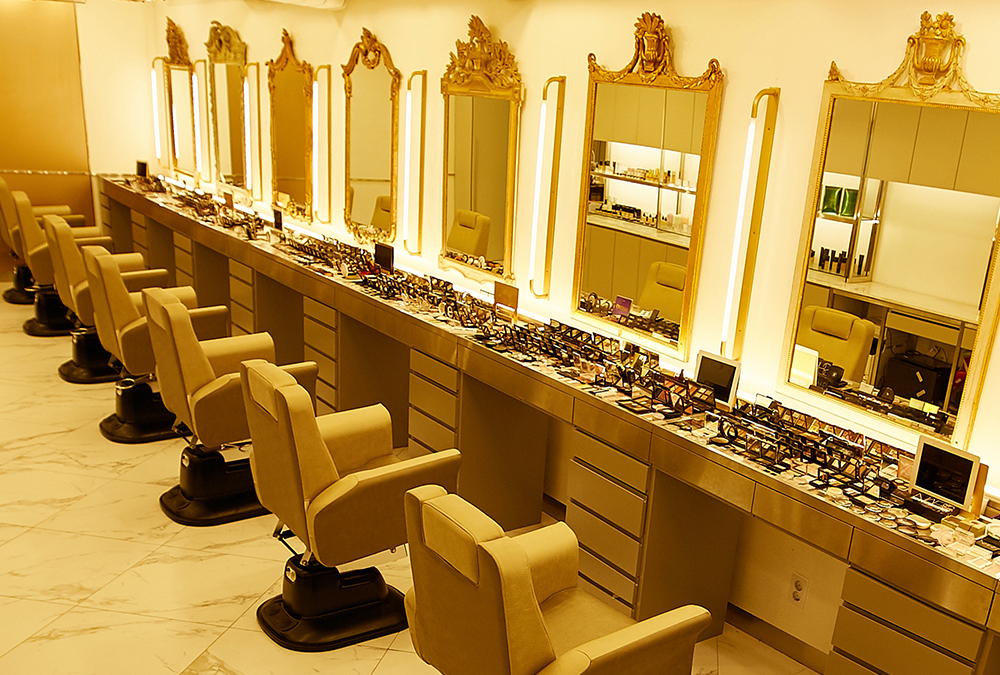
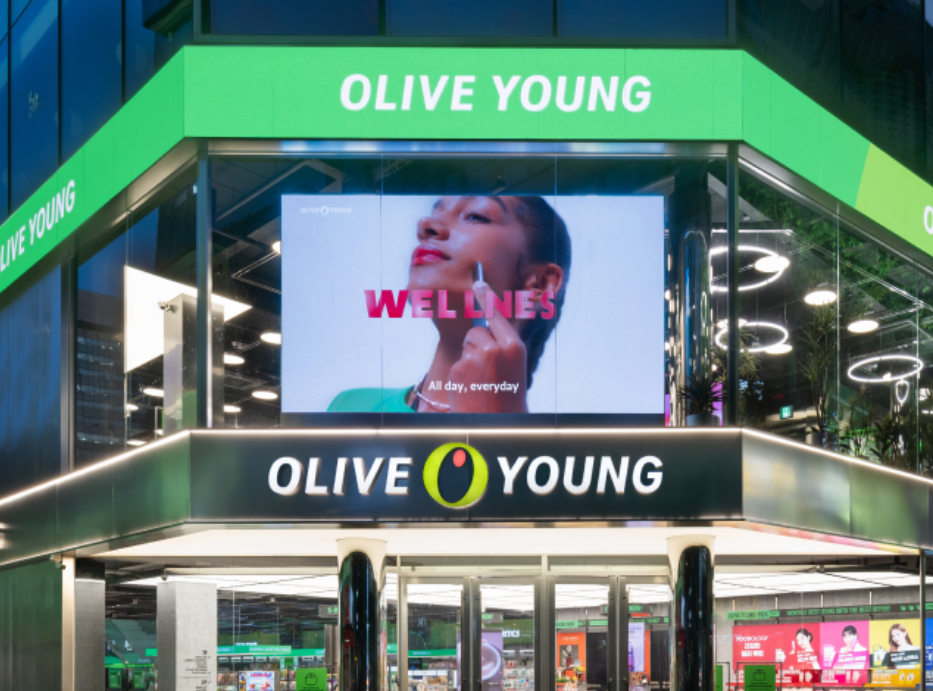
If you are planning a trip to Seoul in 2026, stocking up on products at Olive Young is no longer enough — though the K-beauty shopping circuit is absolutely still worth doing. The biggest shift in beauty tourism right now is heading straight to the source: Seoul’s high-tech dermatology and aesthetic clinics, where the treatments that fuel the entire K-beauty industry are developed, refined, and first offered to clients.
Korea has over 2,000 board-certified dermatologists in Seoul alone, and the concentration of cutting-edge aesthetic technology here is genuinely unmatched globally. Treatments like Rejuran Healer, Shrink HIFU, and LDM hydration therapy launched in Korea years before reaching Western clinics — and the price difference remains stark. The same non-surgical lifting treatment that costs $2,000–$3,000 at a clinic in New York or London can run ₩400,000–₩600,000 ($290–$435 USD) in Gangnam. For a foreigner, though, the prospect of booking a medical procedure in another country can be daunting: language barriers, unfamiliar booking systems, and uncertainty about how to find a clinic that’s actually reputable.
This is your complete 2026 guide. It covers the most popular treatments and what they involve, the trusted English-friendly clinics, pricing benchmarks to keep you from overpaying, and how to actually secure an appointment before you land.
Quick Reference: Seoul Dermatology Clinics 2026
| What | Details |
|---|---|
| Best district for clinics | Gangnam (especially around Apgujeong & Cheongdam) |
| Best clinics for foreigners | Lienjang, Muse Clinic, ME Clinic |
| Booking lead time | 2–4 weeks minimum for top clinics |
| How to book | WhatsApp / KakaoTalk DM, English web portals, medical tourism platforms |
| Savings vs. Western clinics | 50–70% cheaper than US or UK equivalent |
| VAT refund on treatments | ~7% back on medical aesthetic procedures; bring your passport |
| Best time to schedule invasive treatments | Final 2–3 days of your trip (allow for recovery) |
| Medical tourism platforms | Creatrip, Trazy, Eunogo |
| What to avoid after treatment | Saunas, jjimjilbangs, heavy exercise, direct sun |
Why Seoul? The Case for Clinic Tourism
Korean aesthetic medicine is not a recent trend dressed up in new packaging. The country has invested decades in the research, regulation, and clinical development of non-surgical cosmetic treatments — and the infrastructure that has accumulated as a result is genuinely different from what you find elsewhere.
The Korean Food and Drug Administration (MFDS) fast-tracks approval for next-generation devices and biologics that are still years away from US FDA clearance. Skin boosters like Rejuran Healer and polylactic acid hybrids like Juvelook are commonplace in Seoul clinics but largely unavailable at Western practices as standalone treatments. Clinics here invest in equipment upgrades on a two-to-three year cycle; it is routine to find the latest-generation HIFU machine or radiofrequency device at a mid-range Gangnam clinic.
The economics also work heavily in your favour. Korea’s competitive clinic density keeps prices disciplined. A board-certified dermatologist consultation is essentially free or low-cost when bundled with a treatment, and you will typically be seen by the actual doctor — not just a nurse practitioner — even at a routine appointment.
Koreans themselves are the most discerning beauty consumers in the world. The clinics that survive in this market do so on real results, not marketing. That is the standard you are booking into.
The Most Popular Treatments in 2026
Before you book, understanding the terminology matters. Korean clinics market primarily around “skin boosters” and non-invasive technology. Here is a practical breakdown of the treatments most popular with tourists in 2026, including what they actually do and what recovery looks like.
Skin Boosters: Rejuran Healer & Juvelook
If you want the glass skin result — that lit-from-within luminosity with visibly improved texture — skin boosters are the mechanism. These are microinjections delivered across the face (and sometimes the neck or décolletage) using a fine multi-needle stamp.
Rejuran Healer uses polynucleotides (PN) derived from salmon DNA. The polynucleotides bind to skin cells and trigger collagen synthesis, accelerate wound repair, and measurably improve elasticity over four to eight weeks. The immediate result is a tight, dewy skin surface. The long-term result — with a series of three to four sessions — is denser, more elastic skin with reduced pore size and smoother texture. It was developed by a Korean company (Pharma Research Products) and is widely considered the gold standard skin booster in Seoul.
Juvelook is the newer category of biostimulator hybrids: a combination of hyaluronic acid and polylactic acid (PDLLA) that provides immediate hydration while the PDLLA gradually stimulates collagen over months. It is particularly effective for fine lines around the eyes and mouth and tends to produce a brighter, more lifted result than Rejuran alone.
Approximate Seoul price: Rejuran full face ₩180,000–₩300,000 (~$130–$218 USD); Juvelook full face ₩200,000–₩350,000 (~$145–$255 USD).
Recovery: Small raised bumps (“embossing”) visible for 24–48 hours. No serious downtime, but plan accordingly if you have dinner plans the evening of treatment.
Lifting & Contouring: Inmode & Shrink HIFU
For clients looking to sculpt their jawline, tighten skin laxity, or address early jowling without surgery, these are the two most-booked technologies in 2026.
Inmode (specifically the Morpheus8 and Forma handpieces) uses radiofrequency energy delivered via micro-needles to heat the deep dermis and subdermal fat layer. The result is simultaneous fat reduction (for the lower face and double chin) and collagen stimulation for long-term tightening. It is popular for the lower face and jawline definition. One session produces noticeable results; two to three produce more significant remodelling.
Shrink HIFU is Korea’s widely adopted version of High-Intensity Focused Ultrasound — functionally similar to Ultherapy but typically performed at higher energy settings and with a focus on jawline and neck tightening. A single session takes 30–45 minutes and produces gradual tightening over three to six months as collagen regenerates in the treated layers.
Approximate Seoul price: Inmode lower face ₩300,000–₩550,000 (~$218–$400 USD); Shrink HIFU face and neck ₩350,000–₩600,000 (~$255–$437 USD).
Recovery: Mild redness and swelling for 24–72 hours for Inmode. HIFU typically produces no visible downtime but mild soreness for a few days.
Needle-Free Hydration: LDM Water Drop & LHALA Peel
For those who want significant results without any needles or downtime, these two treatments are consistently popular with first-time clinic visitors.
LDM (Localised Dynamic Micro-massage) uses dual-frequency ultrasonic waves to drive intense hydration deep into the skin and reduce inflammation. It is completely painless, takes 40–60 minutes, and leaves skin visibly plumped and calm immediately after. It is an ideal treatment for the first day of your trip or before a significant event.
LHALA Peel (sometimes transliterated as “Lhala”) is a next-generation peeling treatment that uses a proprietary low-pH complex to resurface the skin and stimulate cell turnover — without the three to seven days of flaking and redness that a traditional chemical peel (TCA or phenol) involves. The treatment produces a brightened, evening effect that builds over two to three weeks. Suitable for most skin types; a popular option before a vacation since there is essentially no recovery period.
Approximate Seoul price: LDM full face ₩80,000–₩150,000 (~$58–$109 USD); LHALA Peel ₩100,000–₩180,000 (~$73–$131 USD).
Recovery: None required. Mild sensitivity to sun is advisable; wear SPF 50 for the following week.
Laser Treatments: Pico Genesis & Clear + Brilliant
Korean clinics run laser programs at a different cadence than Western practices — where a single session might be the plan abroad, Korean dermatologists typically design a series.
Pico Genesis (picosecond laser) targets pigmentation, sun damage, melasma, and overall skin tone evenness. It works by shattering melanin deposits into dust-sized particles that the lymphatic system clears over weeks. A series of four to six sessions (typically spaced two to four weeks apart) produces the most comprehensive result, but single sessions are commonly booked by tourists for tone brightening.
Clear + Brilliant is a lighter fractional laser — popular as a monthly “glow maintenance” session in Korea — that creates micro-channels in the epidermis to stimulate collagen and improve texture. Minimal downtime (mild redness for 24 hours), and frequently offered as a discounted package alongside a skin booster at foreigner-friendly clinics.
Approximate Seoul price: Pico Genesis full face ₩100,000–₩250,000 (~$73–$182 USD); Clear + Brilliant ₩80,000–₩150,000 (~$58–$109 USD).
Price Comparison: Seoul vs. Western Clinics
| Treatment | Seoul (₩) | Seoul (USD) | US / UK Equivalent |
|---|---|---|---|
| Rejuran Healer (full face) | ₩180,000–₩300,000 | ~$130–$218 | ~$600–$1,200 |
| Juvelook (full face) | ₩200,000–₩350,000 | ~$145–$255 | ~$500–$1,000 |
| Shrink HIFU (face + neck) | ₩350,000–₩600,000 | ~$255–$437 | ~$2,000–$4,000 |
| Inmode lower face | ₩300,000–₩550,000 | ~$218–$400 | ~$1,500–$3,000 |
| Pico Genesis (full face) | ₩100,000–₩250,000 | ~$73–$182 | ~$400–$900 |
| LHALA Peel | ₩100,000–₩180,000 | ~$73–$131 | ~$300–$700 |
| LDM Water Drop | ₩80,000–₩150,000 | ~$58–$109 | ~$200–$500 |
Reference rate: approx. ₩1,375 = $1 USD. Seoul prices vary by clinic tier and consultant experience.
Top English-Speaking Clinics in Seoul
You do not need to hire a private translator or show up hoping someone speaks English. Several highly reputable clinics have invested specifically in serving international visitors — with in-house interpreters, English-language consent forms, and foreigner-dedicated consultation tracks.
Lienjang Clinic (Gangnam, Hongdae, Myeongdong)
Lienjang is the most internationally recognised name in the Seoul aesthetic scene and the clinic most consistently recommended among tourists and expats who have done their research. Their international centre — run separately from the general Korean-language operation — assigns each visitor a 1-to-1 English-speaking consultant who handles intake, guides you through consultation with the doctor, explains the treatment, and assists with payment and aftercare instructions.
The service range is comprehensive: from basic Aqua Peels and LDM hydration sessions to Rejuran, Juvelook, Shrink HIFU, and laser programs. They have on-site tax refund machines, a dedicated foreigner lounge, and English-language price menus. Their Instagram account (@lienjang.intl) is the most reliable source of current promotions for international visitors and is updated regularly with English-language package deals.
Why foreigners choose Lienjang: The system is designed to eliminate every friction point for non-Korean speakers. The international coordinator tracks you from inquiry through aftercare, and the level of attention to the consultation process — ensuring you understand what is being done and why — is notably high for a clinic of this volume.
Locations: Gangnam (main international centre), Hongdae, Myeongdong.
How to book: Via enlienjang.com, Instagram DM (@lienjang.intl), or WhatsApp (linked from their website and Instagram bio).
Muse Clinic (Gangnam)
Muse Clinic has built a strong reputation among expats and independently travelling tourists for two specific qualities: transparent pricing (all fees are listed in English on their website before you book), and a genuinely spa-level treatment environment. The interior is beautiful — designed more like a high-end wellness studio than a clinical space — and the consultation process is thorough.
They are particularly favoured for their online English booking portal, which allows you to select your treatment category, choose an available slot, and confirm your appointment without making a phone call or navigating a Korean app. For visitors who prefer managing their itinerary digitally, this is the lowest-friction booking experience available.
Their specialties include skin booster programs, lifting treatments, and the full range of Seoul’s mainstream laser offerings. They also offer combination packages designed specifically for visitors on tight timelines — a booked consultation will result in clear time and pricing commitment before you arrive.
How to book: Direct via Muse Clinic’s English web portal or via KakaoTalk (ID linked on their website).
ME Clinic (Gangnam)
ME Clinic is a long-standing Gangnam dermatology practice with a strong track record among medical tourists — the kind of clinic that has been serving international visitors since before dedicated tourism platforms existed for it. Their dermatologists provide detailed consultations in English through trained medical interpreters, and the clinic is particularly noted for the thoroughness of its aftercare instructions: written, translated, and reviewed with you before you leave.
ME Clinic specialises in anti-ageing laser treatments, melasma and pigmentation correction, and skin resurfacing. They see a mix of Korean locals and international visitors, which is often a good sign: it means the clinic’s results are strong enough to retain a local Korean clientele rather than relying solely on tourist volume.
How to book: Via meclinic.net by email or WhatsApp (contact details on their website); a coordinator responds in English within one to two business days.
Finding Additional Clinics: Gangnam District
The highest concentration of reputable aesthetic clinics in Seoul is in Gangnam’s Sinsa-dong and Apgujeong-Cheongdam corridor. This area — colloquially called “the beauty belt” — runs roughly between Gangnam Station and Cheongdam Station and contains hundreds of dermatology and plastic surgery practices. For clinics beyond the three above, search Naver Map for “피부과 영어” (dermatology, English) near Gangnam Station, or filter by foreigner review tags on Naver.
How to Actually Book an Appointment
Walking in off the street almost never works at Seoul’s top clinics — they operate on appointment-only systems and are typically booked two to four weeks in advance for prime slots. Here is how to reliably secure yours.
Direct Messaging via WhatsApp or KakaoTalk
The most reliable booking method for foreigner-friendly clinics is direct messaging. Almost all internationally focused clinics — including Lienjang and ME Clinic — maintain dedicated English WhatsApp or KakaoTalk numbers linked on their websites or Instagram profiles.
Message with:
- Your desired dates (give a range of two to three options)
- The treatment you are interested in (having a specific name helps)
- Your skin concerns or goals (the coordinator can advise on treatment combinations)
- Any medical conditions or current medications (required for skin boosters and injectables)
A coordinator will typically respond within a few hours during business hours and confirm pricing, availability, and any pre-appointment instructions.
KakaoTalk setup: Download KakaoTalk (free, iOS and Android) and create an account before your trip. Add the clinic’s KakaoTalk ID from their website to start messaging.
English Online Booking Portals
Clinics like Muse Clinic allow direct booking through an English web portal — select your treatment category, choose an available time slot, enter your details, and confirm. No phone call required. Payment is typically taken on-site after the consultation; you are booking the appointment slot only.
Medical Tourism Platforms
For a more curated booking experience — including secure advance payment with a foreign credit card, detailed English treatment descriptions, and some degree of vetting — three platforms are well-established in the Seoul aesthetic tourism market:
Creatrip is the most popular English-language platform for booking Korean experiences including clinic appointments. You can browse treatment packages at partner clinics, read English reviews from previous visitors, and prepay securely. Their “skin care” category covers everything from basic facials to Rejuran and HIFU packages.
Trazy covers a broader travel experience range and includes a growing selection of Seoul clinic and beauty packages alongside its general tourism bookings. Useful if you are combining clinic appointments with other Seoul activities in a single booking dashboard.
Eunogo operates more explicitly as a medical tourism concierge. They offer personalised consultation support, match you with appropriate clinics for your goals, handle the booking logistics, and provide a coordinator who assists you on the day of your appointment. This is the best option if you are planning multiple treatments, have a significant budget, or want a guided experience rather than a self-managed booking.
What to Expect: The Clinic Consultation
For first-time medical tourists, the clinic process in Korea is generally more structured than what you might experience at a Western aesthetic practice. Here is the typical sequence.
Intake and skin assessment: On arrival, you will complete a medical history form. Many foreigner-friendly clinics provide this in English. You will typically have your skin photographed under specialised UV and polarised lighting to document your baseline — the same analysis that guides treatment recommendations and tracks your progress across sessions.
Doctor consultation: The dermatologist will review your skin analysis and discuss your goals. In English-capable clinics this is conducted either directly in English or via the attending coordinator. They will recommend specific treatments, explain the expected outcomes, and quote pricing. In Seoul, this consultation is typically included in the treatment fee rather than billed separately.
Treatment: Depending on what you have booked, the actual procedure runs 20–60 minutes. The dermatologist or a trained nurse performs the treatment; at reputable clinics, the doctor is present throughout for injectable treatments.
Aftercare briefing: Before you leave, you will receive aftercare instructions — what to apply, what to avoid, and what to expect in the following 24–72 hours. At good clinics, this is provided in written form in English.
Before You Go: Pre-Treatment Checklist
Preparation is straightforward but matters, especially for skin boosters and injectables.
- Stop retinoids and AHAs for 5–7 days before injections or laser. These thin the skin and increase sensitivity. You will be asked about this in the intake form.
- Avoid alcohol for 48 hours before. It increases bruising risk, particularly for injectables.
- Arrive with clean skin. Skip heavy makeup the day of treatment. Some clinics will cleanse your skin on arrival; others prefer you arrive already cleansed.
- Book post-treatment accommodations thoughtfully. If you are having Rejuran, Inmode, or HIFU, you will want to return to your hotel rather than head to a crowded market for a few hours. Factor in rest time.
- Bring your passport. Required for VAT refund processing. Korea offers an immediate ~7% refund on aesthetic medical treatments for foreign tourists; the clinic will process this on-site.
- Research your treatment beforehand. Korean clinics are excellent, but knowing what you are having done — the mechanism, the expected result, and the recovery — means you can ask informed questions during consultation.
Essential Tips for Skincare Tourists
Schedule invasive treatments at the end of your trip. Treatments like Rejuran Healer leave small raised bumps (“embossing”) on your face for 24–48 hours, and injectables can cause mild bruising. Scheduling toward the final two or three days of your trip means your recovery period overlaps with your flight home rather than your sightseeing days.
Avoid the jjimjilbang after treatment. After any laser, peel, or injectable treatment, you will be advised to avoid heavy sweating, saunas, and extended heat exposure for at least a week. Save your visit to the traditional Korean bathhouses — the jjimjilbangs — for before your clinic appointment, not after.
Wear SPF 50+ throughout your trip. This is non-negotiable if you are having any laser or peel treatment. Korean sunscreens are the best formulations available globally and significantly cheaper in Seoul — stock up at Olive Young on arrival. The K-beauty shopping guide covers the best options.
Get the VAT refund. Aesthetic medical treatments qualify for Korea’s tourist VAT refund scheme — approximately 7% back on the treatment cost after processing fees. Show your physical passport at the clinic to process it on the spot for amounts up to ₩1,000,000. For larger amounts, the refund is collected at the airport on departure.
Don’t combine treatments aggressively. It is tempting to pack in multiple procedures on a short trip. Your dermatologist will guide you on what is safe to combine in one session and what requires spacing. Listen to this advice — the Korean approach to combination treatments is systematic rather than maximalist.
Document your baseline. Take a clean, well-lit photo of your skin before your first treatment, without makeup. The subtle improvements from skin boosters and lasers build gradually; having a reference point lets you appreciate the change when you look back in six to eight weeks.
Pairing Clinic Visits with Seoul’s Beauty Scene
A Seoul skincare tourism trip works well as a layered experience. On the days before your treatment, explore the shopping side of K-beauty: the Seongsu-dong circuit (Olive Young N Seongsu, Amore Seongsu, and the indie brand stores along the strip) and Myeongdong’s concentrated road shops. The Seoul K-Beauty Shopping Guide covers both in detail.
If you are interested in going beyond skincare into hair and makeup while in Seoul, the Jenny House guide covers the celebrity studio in Cheongdam that has styled over 500 Korean names and is accessible to visitors. And if you want to understand your ideal colour palette before spending at Olive Young, the personal colour analysis guide covers how to book a 1:1 session and what to do with the results.
All of these — clinic treatment, colour analysis, hair styling, K-beauty shopping — are concentrated in or near Gangnam and the surrounding neighbourhoods. A three-to-four-day Seoul beauty itinerary that strings them together is genuinely achievable.
For practical orientation before your trip, the Seoul first-timer’s guide covers transport, SIM cards, and the other logistics that make everything else run smoothly.
Frequently Asked Questions
Is it safe to get cosmetic treatments at a Korean clinic as a foreigner? Yes, provided you choose a reputable clinic. Korea has one of the most stringent systems for dermatology and aesthetic medicine licensing in Asia; the MFDS (Ministry of Food and Drug Safety) regulates devices, biologics, and practitioner qualifications. The clinics listed in this guide — and any practice with a strong international track record — operate to these standards. The key due diligence: verify that the practitioner performing injectables is a licensed dermatologist or plastic surgeon, not a nurse working without physician oversight. At reputable clinics, this is standard practice.
How far in advance should I book? For prime clinic slots at popular foreigner-friendly practices, book two to four weeks in advance. Weekend slots and popular treatment packages (Rejuran + laser combos, HIFU) fill fastest. If your trip is less than two weeks away, contact clinics directly via WhatsApp or KakaoTalk first — same-week availability sometimes exists for weekday slots.
Do I need to speak Korean? No. All three clinics featured in this guide — Lienjang, Muse Clinic, and ME Clinic — have English-speaking coordinators or medical interpreters. Medical tourism platforms like Creatrip and Eunogo conduct their full booking and coordination process in English. Even for clinics outside this list, a translation app (Papago is more accurate than Google Translate for Korean) handles most conversational needs during a consultation.
Can I get a VAT refund on medical treatments? Yes. Aesthetic medical treatments qualify for Korea’s tourist VAT refund — approximately 7% of the treatment cost returned after processing fees. Present your physical passport at the clinic; the refund is issued on-site for transactions up to ₩1,000,000. For larger amounts, collect the refund at the airport departure terminal.
What is the minimum budget for a Seoul clinic visit? Entry-level treatments like LDM hydration or a LHALA Peel start from approximately ₩80,000–₩120,000 ($58–$87 USD). A skin booster session (Rejuran) runs ₩180,000–₩300,000 ($130–$218 USD). A full lifting treatment like Shrink HIFU starts around ₩350,000 ($255 USD). These are meaningful savings compared to equivalent Western clinic prices — the same HIFU treatment in the US typically runs $2,000–$4,000.
What should I do if I have a reaction after treatment? Reputable clinics provide a direct contact number with every aftercare briefing precisely for this reason. Redness, mild swelling, and sensitivity in the 24–72 hours after treatment are expected reactions, not complications. Any worsening symptoms — increasing swelling, significant bruising, or signs of infection — warrant immediate contact with the clinic. Keep the aftercare sheet with the clinic’s emergency contact with you until you return home.
Are combination treatments — e.g., Rejuran plus laser plus HIFU — safe in one visit? Some combinations are safe and commonly performed in a single session at Korean clinics; others require spacing. Your dermatologist will guide this based on your skin, the specific treatments, and their equipment. A general principle: skin boosters are often combined with mild laser or LDM in the same session. HIFU or Inmode is typically given its own session. Follow the dermatologist’s sequencing recommendation rather than arriving with a predetermined combination list.
For more on navigating Seoul’s beauty landscape, see the Seoul K-Beauty Shopping Guide 2026 and the Personal Colour Analysis Guide.