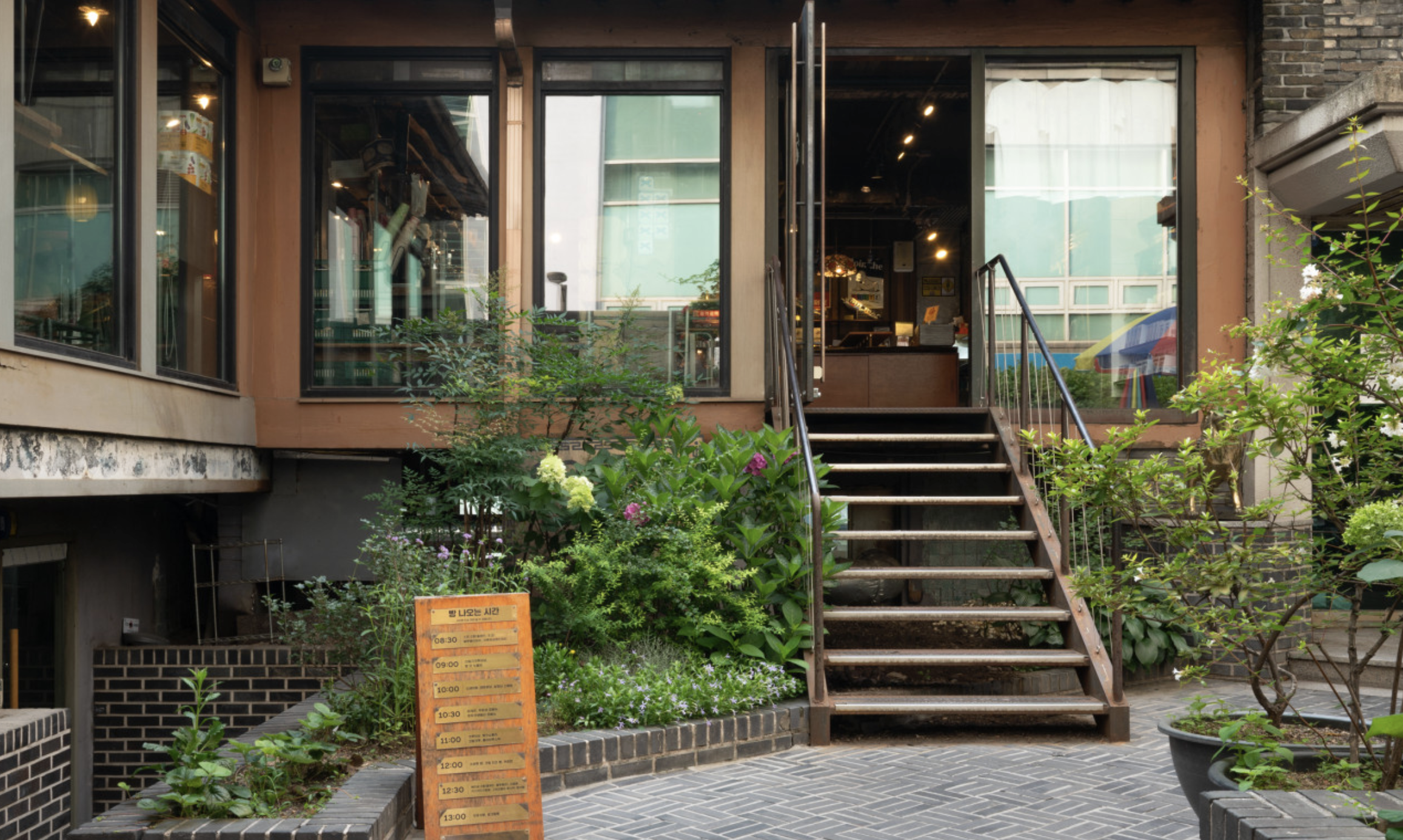
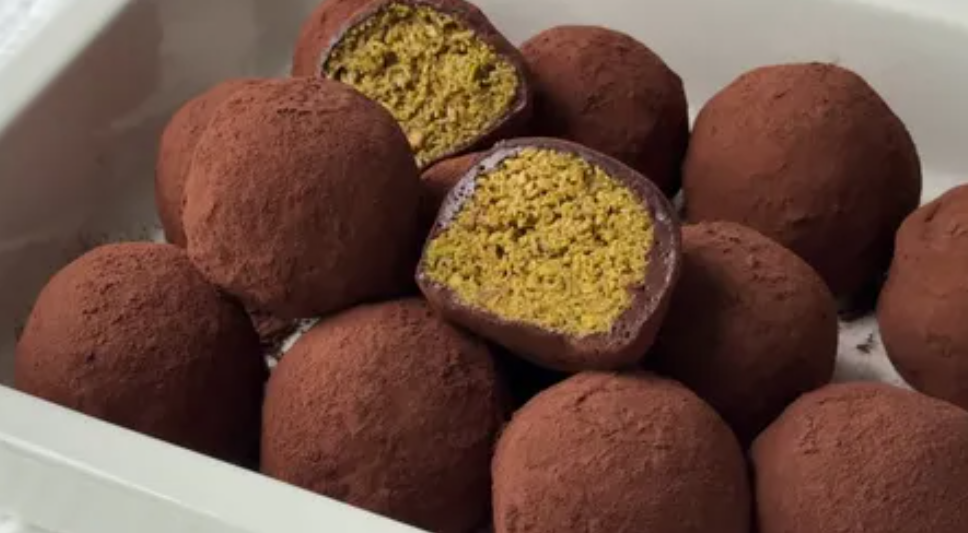
There is a particular ritual unfolding across Seoul in 2026, and it happens somewhere between the first scroll of the morning and the fourth story posted to Instagram. A young Korean — MZ 세대 [MZ generation, referring to Millennials and Gen Z born roughly between 1981 and 2010] — walks into a cafe, orders something bright and vibrantly green, and holds it up for a photograph before drinking. This is the matcha moment, and Seoul has built an entire aesthetic around it.
말차 [matcha] in Korea is not a recent import. Green tea cultivation has deep roots in the southern regions — 보성 [Boseong] in South Jeolla Province, 하동 [Hadong] in South Gyeongsang — and the Joseon court drank powdered tea centuries before anyone called it matcha. What is new is the way Seoul’s cafe culture has absorbed and reinvented it: whisking it robotically, blending it with coconut milk, serving it in five-storey buildings, pairing it with red bean paste and chamomile cream, and situating it inside century-old 한옥 [hanok, traditional Korean wooden houses] where the light falls at an angle designed, it seems, for photography.
The cafes below are not obscure. They are the ones that appear on 네이버 [Naver], that generate waiting queues on weekend afternoons, that are referenced in group chats when someone asks “말차 어디서 마셔?” [“where should we get matcha?”]. They are popular for a reason. Here is what you need to know before you go.
1. Super Matcha (슈퍼말차) — Seongsu

성수동 [Seongsu-dong] is Seoul’s answer to Brooklyn — a former industrial district that has become the most concentrated expression of MZ taste in the city. Super Matcha, the neighbourhood’s most talked-about tea destination, embodies that spirit completely: it is precise, design-forward, and built around a single memorable spectacle.
That spectacle is a robotic arm.
At the flagship Seongsu store, each order is whisked by an automated whisk that moves with the kind of controlled grace you would associate with a trained 차인 [chain, tea master]. The matcha is organic; the process, visible from the order counter, is part of the theatre. But the drinks hold up when you ignore the robot entirely: the Coconut Matcha Latte layers a rich, tropical sweetness over a properly bitter base; the Chai Matcha adds warmth and spice; the Oat Cream Matcha is understated and clean.
Super Matcha now has multiple Seoul branches — Garosugil, Yeongdeungpo’s The Hyundai, Jamsil Lotte World Mall — but the Seongsu original remains the one worth queueing for.
| Details | |
|---|---|
| Korean name | 슈퍼말차 |
| Address | 19 Seoul Forest 6-gil (Seoulsup 6-gil), Seongdong-gu, Seoul |
| Hours | Daily 11:00 AM – 9:00 PM |
| Getting there | Line 2 → Seoul Forest Station, Exit 4, ~10 min walk |
| Must order | Coconut Matcha Latte, Chai Matcha |
| Naver Map | 슈퍼말차 성수 지도 보기 |
2. METCHA (맷차) — Myeongdong
METCHA began in 울산 [Ulsan] as a small specialty cafe built around a single conviction: that matcha should be ground fresh. The tool for this is a 멧돌 [metdol], a traditional Korean stone mill — 맷돌 — from which the cafe takes its name. The matcha powder produced this way is coarser and more aromatic than mass-produced alternatives, and it shows in every drink.
The Seoul flagship in 명동 [Myeongdong] occupies a five-storey building — each floor with a different seating arrangement and atmosphere, from the ground-floor counter all the way to a rooftop-adjacent upper level with street views. The menu runs wide: Matcha Tart, Matcha Crepe Cake, Matcha Latte, hojicha drinks, and seasonal specials. The matcha crepe cake, layered with thin custard and just enough sweetness to balance the bitterness, is the dessert most photographed and most consistently worth ordering.
Myeongdong itself draws enormous foot traffic, and METCHA benefits from that — but the food quality earns its repeat visitors.
| Details | |
|---|---|
| Korean name | 맷차 |
| Address | 17 Myeongdong 9-gil, Jung-gu, Seoul |
| Hours | Mon–Fri 8:00 AM – 10:00 PM · Sat–Sun 11:00 AM – 10:00 PM |
| Getting there | Line 2 → Euljiro 1-ga Station, Exit 5, ~3 min walk |
| Must order | Matcha Crepe Cake, Matcha Latte |
| Naver Map | 맷차 명동 지도 보기 |
3. Osulloc Tea House Bukchon (오설록 북촌점) — Bukchon Hanok Village
오설록 [Osulloc] is Korea’s most established tea brand, built on 제주도 [Jeju Island] plantations that stretch across dormant lava fields in the island’s southwest. The company operates multiple Seoul outposts, but the Bukchon branch — a three-storey 한옥 [hanok] in 북촌 [Bukchon], the neighbourhood of preserved traditional architecture between Gyeongbokgung and Changdeokgung palaces — is the one that draws the longest queues.
The visual appeal is immediate: exposed wooden beams, floor-to-ceiling windows overlooking narrow tile-roofed streets, a ground-floor tea atelier where visitors can browse and purchase Osulloc’s full product range. The second-floor lounge serves the cafe menu — Matcha Roll Cake, Matcha Cheesecake, soft-serve with that particular vivid green that signals Jeju-grown leaves — while the third floor, Bar Sulloc, offers tea-infused cocktails in the evenings.
For Gen MZ visitors in particular, the combination of architectural context and photogenic drinks makes this the most socially-shareable matcha stop in Seoul.
| Details | |
|---|---|
| Korean name | 오설록 북촌 |
| Address | 45 Bukchon-ro, Gahoe-dong, Jongno-gu, Seoul |
| Hours | Daily 11:00 AM – 9:00 PM (Fri–Sun until 10:00 PM) |
| Getting there | Line 3 → Anguk Station, Exit 2, ~8 min walk |
| Must order | Matcha Soft Serve, Matcha Roll Cake |
| Naver Map | 오설록 북촌 지도 보기 |
4. Gabaedo (가배도) — Samcheong-dong & Gangnam
가배도 [Gabaedo] occupies an interesting position in Seoul’s matcha landscape: it is rooted in Japanese tea aesthetics but operates distinctly within Korean cafe culture, with multiple branches across the city and a consistency of quality that few multi-location concepts manage to sustain.
The interior language is 와비사비 [wabi-sabi] by way of Seoul — unfinished wood, muted tones, ceramics that feel handmade. The Matcha Latte is often cited as one of the most balanced in the city: not too sweet, not too bitter, with a texture that coats the palate without becoming heavy. The Matcha Tiramisu is the dessert benchmark, layers of mascarpone and soaked sponge that hold the matcha flavour forward without it tipping into bitterness.
The 삼청동 [Samcheong-dong] branch, surrounded by art galleries and narrow sloping streets, is the most atmospheric. The COEX branch in 삼성동 [Samseong-dong] suits visitors already in Gangnam.
| Details | |
|---|---|
| Korean name | 가배도 |
| Samcheong Address | 13 Gangnam-daero 110-gil, Gangnam-gu, Seoul (Horim Building, 2F & 3F) |
| Gangnam Address | 1F, 405 Gangnam-daero, Seocho-gu, Seoul |
| Hours | Daily 11:00 AM – 9:00 PM (varies by branch) |
| Getting there | Samcheong: Line 3 → Anguk Station · Gangnam: Line 9 → Sinnonhyeon Station, Exit 5 |
| Must order | Matcha Latte, Matcha Tiramisu |
| Naver Map | 가배도 지도 보기 |
| All Branches | https://gbdcoffee.com/space |
5. T. Nomad (티노마드) — Mangwon-dong, Mapo
망원동 [Mangwon-dong] sits along the 한강 [Han River] in 마포구 [Mapo-gu], a neighbourhood that has developed over the past decade into one of Seoul’s most livable and locally-loved areas — less polished than Seongsu, less pressured than Itaewon, full of independent bookshops, small galleries, and restaurants where regulars have been sitting for years. T. Nomad belongs to this neighbourhood in spirit.
The concept is reservation-only, 90-minute sessions, a structure borrowed from Japanese tea ceremony culture and adapted for Seoul’s contemporary pace. The space is deliberately quieter than most cafes in this guide, the seating arranged to discourage back-to-back table filling. Three matcha grades are offered, ranging from standard to a 濃茶 [koicha-style, thick matcha] made with leaves sourced from a Japanese supplier connected to the 表千家 [Omotesenke] tea school — one of the oldest and most respected tea families in Japan.
This is the most demanding matcha experience on this list. It is also, for the right visitor, the most rewarding.
| Details | |
|---|---|
| Korean name | 티노마드 |
| Address | Mangwon-dong, Mapo-gu, Seoul |
| Hours | By reservation only · check Instagram for availability |
| Getting there | Line 6 → Mangwon Station, Exit 1, ~7 min walk |
| Must order | Ceremonial Matcha (Thick), Seasonal Matcha Pairing |
| Naver Map | 티노마드 망원 지도 보기 |
6. Sunnyhouse (써니하우스) — Sangsu-dong, Mapo
상수동 [Sangsu-dong] sits one stop west of Hongdae on Line 6 — close enough to absorb the neighbourhood’s energy, far enough to have held onto something quieter. Sunnyhouse operates in this in-between space: a small, sunlit cafe that has become one of the most-shared matcha destinations in Seoul precisely because it does not try to be anything other than what it is.
The matcha is sourced directly from 우지 [Uji], the Japanese region historically regarded as the gold standard for ceremonial-grade tea leaf. That sourcing decision shows in the cup. The Strawberry Matcha Latte — the drink that launched the cafe’s TikTok profile — layers house-made strawberry with a Uji base that stays legible beneath the fruit, which is a harder balance to strike than it sounds. The Blueberry and Lavender variations follow the same logic: flavour additions that complement rather than bury the tea. The menu is also entirely gluten-free, with waffles, sandwiches, and cakes prepared to the same standard — a detail that has made Sunnyhouse a reliable destination for visitors with dietary restrictions who still want a proper Seoul cafe experience.
Staff speak English, which reduces friction for international visitors. The space is small enough that arriving early on weekends matters.
| Details | |
|---|---|
| Korean name | 써니하우스 |
| Address | 341-17 Sangsu-dong, Mapo-gu, Seoul |
| Hours | Tue–Sun 12:00 PM – 8:00 PM · Closed Monday |
| Getting there | Line 6 → Sangsu Station, Exit 1, ~5 min walk |
| Must order | Strawberry Matcha Latte, Lavender Matcha Latte |
| Naver Map | 써니하우스 지도 보기 |
7. Dongdong Teahouse (동동찻집) — Yeonnam-dong, Mapo

연남동 [Yeonnam-dong] is one of Seoul’s most walkable neighbourhoods — a grid of low-rise streets west of Hongdae that functions as a quieter counterpoint to the university district’s noise. Dongdong Teahouse occupies a rooftop in this neighbourhood, and the combination of elevated position, unhurried pacing, and serious sourcing has made it one of the most-discussed matcha stops of the past year.
The teahouse offers three distinct matcha options across a tiered menu. The entry point is a Matcha Latte (₩7,000) made with ceremonial-grade 제주 [Jeju] matcha blended with plant-based sweetener — clean, accessible, a useful orientation. The upper tier is where the serious work happens: the standard matcha preparation uses leaves sourced from 나고야 [Nagoya], Japan, selected in consultation with the 表千家 [Omotesenke] school, one of the three grand lineages of Japanese tea ceremony. At ₩14,000, it is not priced casually, but it is the most direct encounter with ceremonially-prepared matcha available in a cafe setting in Yeonnam.
The rooftop functions as a natural crowd-limiter — the space holds fewer people than a street-level cafe, and during peak hours there is a waiting list with a 90-minute seating policy. Come mid-morning on a weekday.
| Details | |
|---|---|
| Korean name | 동동찻집 |
| Neighborhood | Yeonnam-dong, Mapo-gu, Seoul |
| Hours | Check Instagram for current hours and reservations |
| Getting there | Line 2 / Airport AREX → Hongik University Station, Exit 3, ~10 min walk |
| Must order | Ceremonial Matcha (Nagoya/Omotesenke), Matcha Latte |
| Price range | ₩7,000–₩14,000 |
| Naver Map | 동동찻집 지도 보기 |
8. Cha Mashineun Tteul (차마시는뜰) — Samcheong-dong, Jongno

The oldest entry on this list and, for many, the most important. 차마시는뜰 [Cha Mashineun Tteul, literally “garden where you drink tea”] is a traditional 다원 [dawon, tea garden] operating in a century-old 한옥 [hanok] in Samcheong-dong, set around a small courtyard garden that manages to feel genuinely removed from the city despite being a short walk from one of Seoul’s most-visited tourist corridors.
The matcha served here is 다차 [dacha], prepared in the Korean ceremonial tradition using a stone hand-mill — the same method used in 다도 [dado, the Korean Way of Tea]. It arrives with 떡 [tteok, rice cake], the traditional pairing, on a lacquered tray with enough visual weight to slow the drinking down. This is not a place that rewards rushing, and that quality — rare in Seoul’s cafe landscape — is precisely what has kept it relevant across generations and earned it a new following among Gen MZ visitors seeking substance behind the aesthetic.
The hanok’s 마당 [madang, courtyard] is the best seat in the house in mild weather. The cafe has appeared in multiple Korean dramas, which has broadened its reach, but the experience predates and outlasts that association.
| Details | |
|---|---|
| Korean name | 차마시는뜰 |
| Address | 26 Bukchon-ro 11na-gil, Samcheong-dong, Jongno-gu, Seoul |
| Hours | Daily 11:30 AM – 9:00 PM |
| Getting there | Line 3 → Anguk Station, Exit 1, ~10 min walk |
| Must order | Traditional Korean Matcha Set (with rice cake), Seasonal Tea |
| Naver Map | 차마시는뜰 지도 보기 |
Why Matcha Has Become Seoul’s Gen MZ Drink
The reasons are not difficult to trace. 말차 [matcha] offers something that coffee — still dominant in Seoul, still ubiquitous — does not: a gentler 카페인 [caffeine] curve, a visual identity that photographs distinctly, and an association with 웰니스 [wellness, health consciousness] that sits comfortably alongside the current Gen MZ preoccupation with what goes into the body.
There is also the colour. That vivid chlorophyll green, ranging from yellow-tinged to almost neon depending on the grade and origin of the leaf, has become one of the most recognisable signals of a certain Seoul cafe aesthetic. It appears in feed after feed, in the Naver Blog posts that still drive Korean food discovery, in the Kakao stories that function as live diaries. When a drink photographs the way matcha photographs, the marketing does itself.
But the cafes above are popular not just because they are photogenic. They are popular because the matcha is good, the spaces are considered, and each of them offers a distinct enough reason to visit that they justify the time and, in some cases, the queue.
Practical Notes for Visiting Seoul’s Matcha Cafes
Weekdays over weekends. All eight cafes on this list draw significant weekend crowds, particularly in the afternoon hours between 1:00 PM and 4:00 PM. Arriving before noon on a weekday significantly reduces wait times.
Reservations. T. Nomad and Dongdong Teahouse operate with seating limits and are busiest on weekends — check their Instagram before visiting. Osulloc Bukchon, Gabaedo, and Cha Mashineun Tteul often have informal waitlists during peak hours; arriving early or at opening time is the cleaner strategy.
Naver over Google. In Korea, 네이버 지도 [Naver Maps] is the standard navigation tool and the most reliable source for current hours, recent visitor reviews, and real-time queue information. The Naver links in each entry above take you directly to each cafe’s listing; bookmark them before you go.
What to order first. For first-time matcha cafe visitors in Seoul, the baseline recommendation is a standard iced matcha latte — it is the most common order, the one each cafe has optimised for, and the most useful point of comparison across venues. After that, the house specials are worth exploring.
Seoul’s matcha cafe scene continues to evolve. For the latest additions, follow Naver Blog (네이버 블로그) and check recent posts tagged 말차카페 for crowd-sourced recommendations in real time.