There is a particular kind of Seoul restaurant — and Seonchae in Seongsu-dong is one — that does not advertise itself loudly. No banner out front, no social media campaign, no influencer preview. It earns its reputation the slow way: dish by dish, visit by visit, until the people who eat there tell the people who matter, and a small underground dining room in Seongsu becomes the place that half the city is quietly trying to book.
선채 성수 [Seonchae Seongsu] is that kind of restaurant. I first heard about it from a colleague who described it as “the best hanshik [Korean cuisine] I’ve had in Seoul that doesn’t require a LS-ticket [luxury tier] budget.” That is a claim worth investigating. So on a Tuesday evening in late March — not a weekend, not a special occasion — I went.
There was still a short wait to get in.
| Cuisine | Modern Korean (hanshik) |
| Price per dish | ₩11,000–₩23,000 |
| Best for | Date nights, small groups, solo dining at the bar |
| Reservation | Strongly recommended |
| Verdict | One of the most considered Korean dining bars in Seongsu — worth the trip from anywhere in Seoul |
What Is Seonchae Seongsu? Modern Korean Dining in Seongsu-dong
선채 [Seonchae] is a modern Korean dining bar in the Seongsu-dong neighbourhood of Seoul. The concept sits somewhere between a hanshik [traditional Korean cuisine] restaurant and a casual fine dining room — more relaxed than an omakase counter, more considered than an ordinary 밥집 [rice restaurant], and more atmospherically committed than almost anything else at its price point in this neighbourhood. It is one of the best Korean dining experiences in Seongsu in 2026, and consistently one of the harder tables to book in eastern Seoul.
The location is deliberate. Seongsu-dong — specifically the pocket of streets around Ttukseom Station — has spent the better part of the last five years becoming Seoul’s most interesting food neighbourhood. Former factory spaces and converted warehouses that once housed tanneries and light manufacturing have been colonised by restaurants, bakeries, and studios. The aesthetic of the neighbourhood runs toward deliberate imperfection: exposed concrete, raw brick, low lighting, the sense of a space that used to be something else and has not quite forgotten it. The Seongsu-dong neighbourhood guide covers the full area if you are planning more than just a meal.
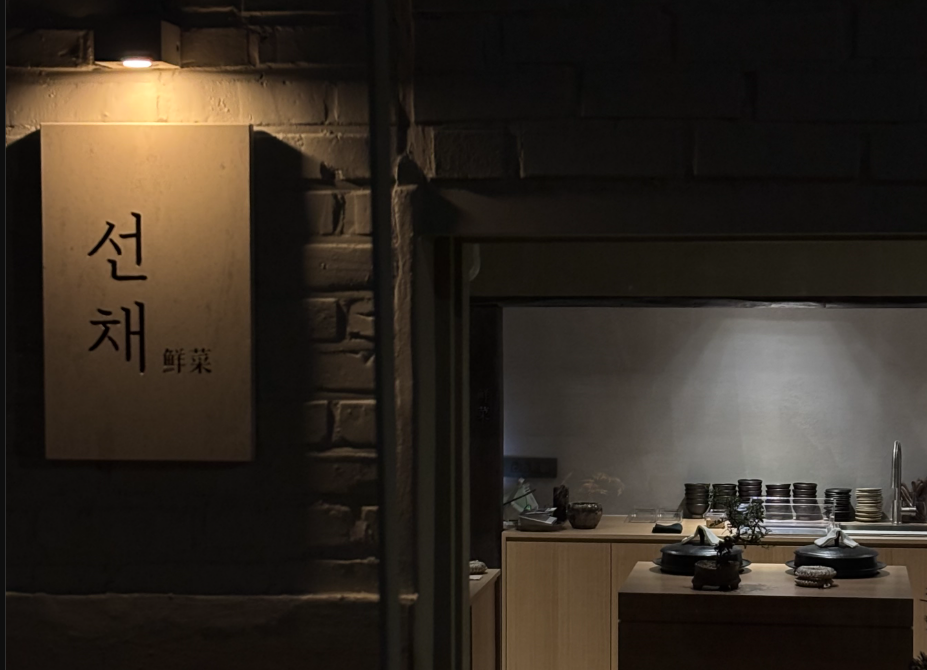
Seonchae fits into this exactly. Descend the stairs into the basement of a building on 아차산로1길 [Achasanro 1-gil] and you enter a room that feels like it was designed to make you slow down. The lighting is dim without being theatrical. The tables are spaced generously — a small mercy in a city where restaurant seating can feel aggressive. The background music is present but quiet. The overall effect is of a place that takes its hospitality seriously without making a performance of it.
How to Get to Seonchae Seongsu: Directions from Ttukseom Station
선채 성수 is a five-minute walk from Ttukseom Station (뚝섬역) on Seoul Metro Line 2, Exit 2. The restaurant is in the basement (지하1층) of 11 Achasanro 1-gil, Seongdong-gu — look for the understated entrance on a side street just off the main Seongsu strip.
A note on parking: there is none, and the streets around here are not the kind you want to gamble a fine on. Take the subway. This is one of the easiest neighbourhoods to arrive at by public transport in the city, and the walk from the station is pleasant.
Seonchae Seongsu Menu: What to Order and What to Expect
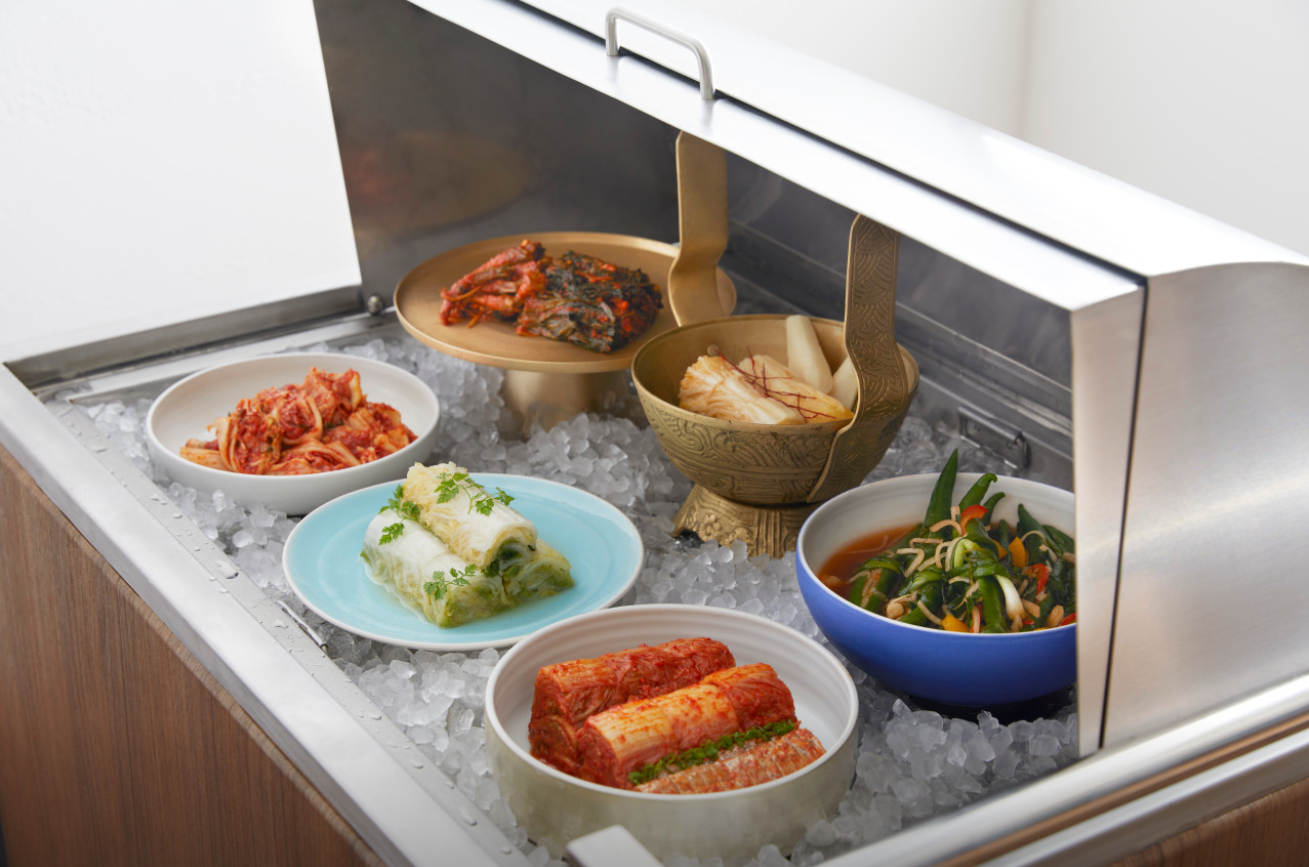
The menu at Seonchae is built around the same logic that underlies the best hanshik [Korean cuisine]: take seasonal ingredients, apply technique, and let the ingredient do the heavy lifting. What distinguishes Seonchae from more casual Korean restaurants is the precision of the pairings. Each dish pairs a protein or main element with something fermented, pickled, or aged — the kind of detail that you might not consciously register, but which makes the difference between a meal that’s good and one you’re thinking about the next morning.
On the evening I visited, here is what came out of the kitchen.
갈치, 곤드레솥밥 — Galchi, Gonde-re Sotbap [Hairtail fish with wild greens pot rice] · ₩16,000
This is the dish that turns first-time visitors into regulars. 갈치 [hairtail fish, also called beltfish] is a long, silver, almost knife-shaped fish that is absolutely beloved in Korean households — particularly in Jeju, where hairtail is close to a regional emblem — but which rarely appears on menus in Seoul with any kind of care. Here, it is grilled to the point where the skin has crisped and the flesh underneath has stayed moist, and it arrives with a clay pot of 곤드레밥 [rice cooked with gondeulle mountain greens from Gangwon-do].
The pairing works because 곤드레 has an earthy, slightly grassy quality that provides a clean counterpoint to the richness of the fish. Mix in the rice, break open the hairtail, and alternate bites. This is hanshik at its most intuitive.
수육, 청어알 무김치, 시금장 — Suyuk, Cheongeo-al Mugimchi, Sigeumjang [Boiled pork belly with herring roe radish kimchi and fermented soybean paste] · ₩23,000
수육 [suyuk] — pork belly simmered slowly until it turns silky and yielding — is one of the great comfort foods in Korean cooking, and at Seonchae it arrives at exactly the right thickness: thin enough to fold around accompaniments, thick enough to retain its texture. The herring roe (청어알) radish kimchi is the pairing that elevates this dish from familiar to interesting. The brine-forward sharpness of the kimchi, plus the faint pop of the roe, cuts cleanly through the fat of the pork. The 시금장 [sigeumjang, a fermented soybean paste specific to certain inland regions] provides depth and rounds everything out.
This is the most expensive dish on the menu and also the most generous. Order it to share.
맥적 닭구이, 표고 와사비 — Maekjeok Dakgui, Pyogo Wasabi [Gochujang-marinated grilled chicken with shiitake wasabi] · ₩17,000
맥적 [maekjeok] is an ancient Korean grilling technique — marinating meat in doenjang [fermented soybean paste], gochujang [fermented chilli paste], and aromatics before grilling over heat. It predates bulgogi as a Korean preparation by centuries, and it produces a deeper, more complex flavour — less sweet, more savoury and slightly bitter at the edges from the char. The chicken here has absorbed the marinade well and the exterior has a proper crust. The shiitake wasabi alongside it is not what you expect: the wasabi [Japanese horseradish] here is mild, creamy, and threaded through with the earthiness of the dried mushroom rather than the sharp sinusoid hit of the condiment on its own. An unusual, excellent pairing.
전복, 칼비빔 — Jeonbok, Kal-bibim [Abalone with knife-cut noodles in spicy sauce] · ₩16,000
전복 [jeonbok, abalone] is a luxury ingredient in Korean cuisine — firm, saline, deeply flavoured — and Seonchae does not dilute that with excessive preparation. The abalone is lightly cooked, enough to take the raw edge off without killing the texture, and arrives on a bed of 칼국수 noodles tossed in a bibim [spicy, sesame-forward dressing] sauce. The combination of the mineral salinity of the abalone and the spice of the bibim dressing is one of the more interesting things on the menu — the kind of pairing that makes you wonder why you haven’t encountered it elsewhere.
고등어, 김메밀 — Godeungeo, Gim-memil [Mackerel with seaweed buckwheat] · ₩15,000
고등어 [godeungeo, mackerel] is the most democratic of Korean fish — affordable, available year-round, beloved at pojangmacha [street food tent stalls] and weeknight family dinners alike. Seonchae does something interesting with it. The mackerel is grilled in the classic Korean style — salted skin, good char — but paired with gim-memil [seaweed-flecked buckwheat noodles], which brings a toasty, slightly bitter grain quality that works surprisingly well against the assertive oiliness of the fish. It is the least expensive fish dish on the menu and arguably the most satisfying in its straightforwardness.
돌문어, 제철 샐러드 — Dolmunео, Jejеol Saellada [Octopus with seasonal salad] · ₩17,000
The octopus — small, purple-tinged, and from the rocky coastal waters that give 돌문어 [rock octopus] their firmer texture compared to the larger varieties — is charred on the outside and still yielding inside. The seasonal salad alongside it is light and acidic, dressed with something citrus-forward that lifts the natural sweetness of the octopus. This is the dish I would order again first on a return visit.
알감자 튀김, 청양고추 마요 — Algamja Twigim, Cheongyang-gochu Mayo [Baby potato fritters with green chilli mayo] · ₩11,000
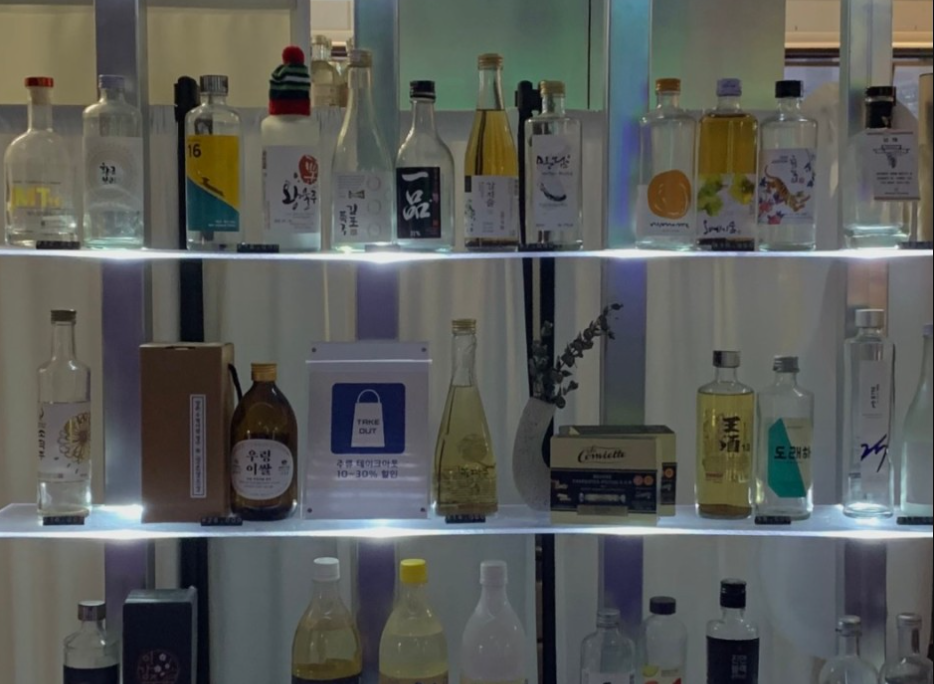
The side dishes at Seonchae are not afterthoughts. The 알감자 튀김 [baby potato fritters] — small, waxy potatoes fried until the exterior has a thin, shattering crust while the inside stays floury and dense — arrive with a 청양고추 마요 [Cheongyang green chilli mayonnaise] that is exactly as sharp and creamy as it needs to be. Order these to eat while you wait for your main dishes to arrive. Order an extra portion if you are drinking makgeolli [unfiltered rice wine] or soju [distilled spirit].
단호박 치즈 케이크, 녹차소금 — Danhobak Chijeu Keiku, Nokcha Sogeum [Kabocha squash cheesecake with green tea salt] · ₩9,500
Korean desserts at the better Seoul dining restaurants have gotten quietly excellent in the last few years, and Seonchae’s cheesecake is a good example of the trend. 단호박 [danhobak, kabocha squash] has a dense, slightly sweet, nutty quality that pairs naturally with the fat and acidity of cheesecake. The 녹차소금 [green tea salt] served alongside seems like a garnish until you try it — a pinch on each bite sharpens everything, pulling the squash flavour forward and preventing the richness from becoming cloying. A considered finish.
Atmosphere & Vibe: Is Seonchae Good for a Date Night in Seoul?
Seonchae attracts couples — the dim lighting and the considered menu make it an obvious date restaurant — but on the evening I visited the room also held small groups of friends, two solo diners at the bar counter, and what appeared to be a group of colleagues who had moved from work to dinner seamlessly. The vibe is quiet without being formal. Conversation is easy. Nobody is rushing you out.
The staff navigate the floor with the kind of unhurried competence that is rarer than it should be at Seoul restaurants. Water arrives without asking. Questions about the menu are answered informatively and without the performance of enthusiasm that can make dining feel like being sold something. When I asked about the sigeumjang [fermented soybean paste] in the suyuk dish and where it was sourced from, I got a real answer.
There is no loud music, no excessive social media-friendly plating theatre, no gimmicks. The room is attractive, the food is genuinely good, and the service respects your attention. For Seoul in 2026 — where the restaurant scene can sometimes feel like it is optimising for content rather than meals — this is more distinctive than it sounds.
For a date night in Seoul, Seonchae is one of the most reliable recommendations in this price range: the atmosphere does the work without requiring you to spend significantly more than you would at a casual restaurant.
Seonchae Seongsu: Address, Hours, Reservation & Getting There
선채 성수 (Seonchae Seongsu)
| Address | B1F, 11 Achasanro 1-gil, Seongdong-gu, Seoul (서울 성동구 아차산로1길 11 지하1층) |
| Hours | 11:30–22:00, break 15:30–17:30 |
| Getting there | Seoul Metro Line 2 → Ttukseom Station, Exit 2 → 5 min walk |
| Reservation | Recommended — reservations accepted |
| Parking | None |
| WiFi | Available |
| @seon_chae | |
| Naver Map | View on Naver Map |
Reserve in advance. Seonchae does not take walk-ins lightly, especially on weekends and weekday evenings. The room is not large, and it is popular enough that turning up unannounced on a Friday is a gamble.
Come hungry and order widely. The dishes are modestly priced and the portions are calibrated for sharing. Three dishes between two people is a real meal; four is generous. The potato fritters and the cheesecake are worth adding regardless of what else you order.
The break time is real. The kitchen closes from 15:30 to 17:30. If you are planning a late lunch or an early dinner, arrive before 15:30 or wait until 17:30. There is no grey area here.
Bring cash or a Korean card. Confirm payment options when you reserve — this part of Seongsu-dong still has a few restaurants that do not accept foreign cards reliably.
Exploring more of Seoul’s dining scene? See our Seoul restaurant guide 2026 for a broader look at where the city is eating well right now.
I have eaten at a lot of hanshik restaurants in Seoul at a lot of different price points, and Seonchae is one of the few that felt, from the moment I sat down, like a place with a genuine point of view. The menu is not large. The prices are reasonable. The ingredients are treated with the kind of respect that suggests the kitchen understands them. None of this should be remarkable, but in a city full of restaurants that look better than they taste, it is.
Go on a weeknight if you can. Reserve a table. Order the suyuk and the hairtail rice and the octopus, finish with the cheesecake, and see if you are not back within the month.
Frequently Asked Questions: Seonchae Seongsu
Is Seonchae Seongsu worth visiting?
Yes — it is one of the most considered modern Korean dining bars in Seongsu-dong and consistently one of the harder tables to book in eastern Seoul. The seasonal menu, precise pairings, and relaxed but attentive service make it worth the trip from anywhere in the city, not just the immediate neighbourhood.
How much does a meal at Seonchae cost?
Dishes range from ₩9,500 (dessert) to ₩23,000 (suyuk pork belly). For two people sharing three to four dishes plus drinks, expect to spend ₩60,000–₩100,000 in total. By Seoul standards for this level of cooking and atmosphere, it is genuinely good value.
Do you need a reservation at Seonchae Seongsu?
Yes — strongly recommended, especially for weekday evenings and weekends. The dining room is not large and fills quickly. Walk-ins are possible but unreliable. Reservations can be made via Naver Map or through the restaurant directly.
What should I order at Seonchae Seongsu?
The galchi sotbap (hairtail fish with wild greens pot rice, ₩16,000) is the signature dish and the one most likely to bring you back. The suyuk (boiled pork belly with herring roe kimchi, ₩23,000) is the most generous plate on the menu. The algamja twigim (baby potato fritters, ₩11,000) and the danhobak cheesecake (₩9,500) are worth ordering regardless of what else you choose.
Is Seonchae good for a date night in Seoul?
Very much so. The basement setting, dim lighting, considered menu, and quiet service make it one of the better date restaurants in Seongsu-dong. The price point is manageable, the atmosphere does not require you to dress formally, and the food gives you something to talk about. Book in advance — it is a popular date night destination.
Where exactly is Seonchae Seongsu?
Seonchae Seongsu is at B1F, 11 Achasanro 1-gil, Seongdong-gu, Seoul — a five-minute walk from Ttukseom Station (Line 2), Exit 2. The entrance is on a side street just off the main Seongsu strip; look for the understated basement staircase.