Seoul has one of the most serious café cultures in the world. Coffee shops here aren’t just places to sit with a laptop — they are designed spaces, carefully thought out from the menu to the furniture. Koreans spend real time in cafés, and the city has responded with thousands of places that reward that attention.
If you’re visiting Seoul in 2026, a few hours spent exploring its coffee scene will give you a side of the city that most visitors miss entirely.
| Quick Reference | Details |
|---|---|
| Best neighbourhood for cafes | Seongsu-dong (specialty), Yeonnam-dong (indie), Insadong (hanok setting) |
| Top recommendation | Fritz Coffee Company, Dohwa-dong (Mapo-gu) |
| Specialty Americano price | ₩5,000–7,000 |
| Chain cafe prices | From ₩1,500 (Ediya, Mega Coffee) |
| Most popular Korean order | Americano (아메리카노) |
Why Seoul’s Café Scene Is Different from Anywhere Else
Korea went from almost no coffee culture to one of the highest café densities in the world in about two decades. Part of this is economic — opening a café is a common small business — but part of it is cultural. Koreans are drawn to beautiful, well-designed spaces, and cafés have become a place to express that.
The result is a scene that ranges from tiny specialty roasters to multi-storey concept cafés with art galleries inside. What they mostly share is attention to detail: good cups of coffee, spaces that feel intentional, and menus that go well beyond the basics.
What to Order at Seoul Cafes
Korean cafés have their own approach to coffee and drinks. A few things worth knowing:
Americano (아메리카노) is the most popular order in Korea by far — more so than lattes or cappuccinos. If you just want a coffee, order an Americano.
Dalgona (달고나) is the whipped coffee drink that went viral globally in 2020. It originated in Korea. You’ll still find it on many menus — a thick, bitter-sweet foam of instant coffee over iced milk.
Yuzu ade (유자에이드) is a cold fizzy drink made from yuzu (a Korean citrus) and sparkling water. Refreshing and sharp — a good summer alternative if you’re not a coffee drinker.
Sikhye latte (식혜 라테) is a latte made with sikhye, a traditional sweet rice drink. It sounds unusual but works well — slightly malty, not too sweet.
Soft-serve ice cream (소프트콘) is often on café menus. Korean cafés do excellent soft-serve, sometimes in flavours like black sesame, matcha, or Jeju milk.
Best Seoul Coffee Neighbourhoods in 2026
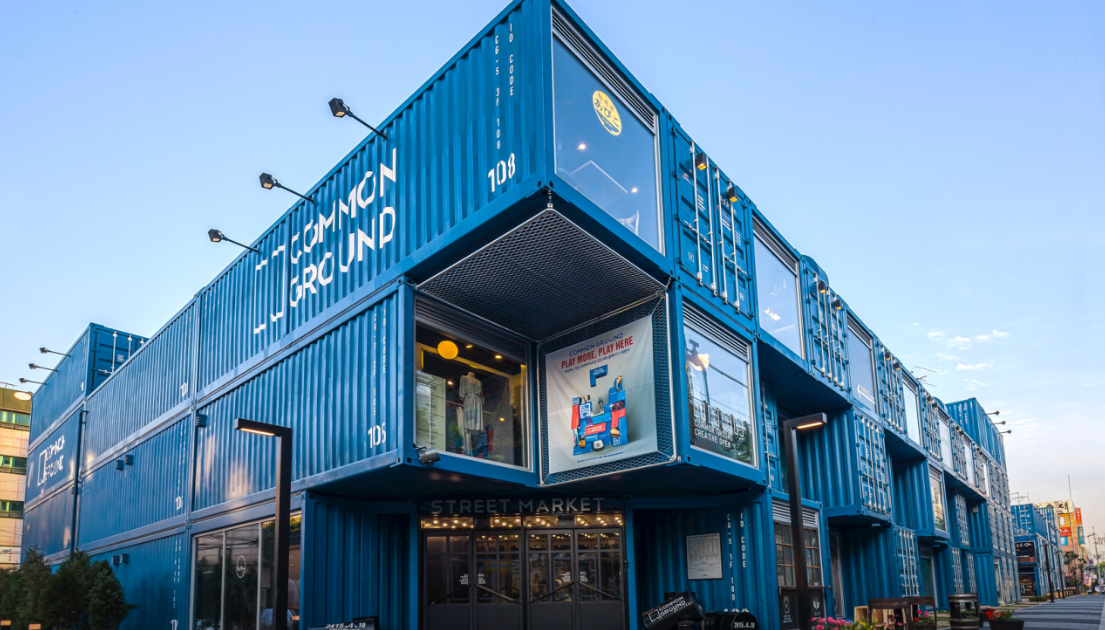
Seongsu-dong (성수동) is the neighbourhood most associated with Seoul’s café scene right now. It’s an old industrial district that has been taken over by independent coffee shops, bakeries, and creative spaces. The aesthetic is exposed concrete and reclaimed wood. Walk around and you’ll find new places constantly — the area changes quickly. For the full picture of the neighbourhood, see our Seongsu-dong guide.
Insadong (인사동) and Bukchon (북촌) have cafés in traditional hanok buildings — old Korean wooden houses. The coffee is sometimes secondary to the setting, but sitting inside one of these spaces with a drink is a genuinely nice experience.
Hongdae (홍대) is busier and younger-feeling, with a mix of cheap chain cafés and more interesting independent spots tucked in the side streets. Good for a late-night coffee after a show.
Yeonnam-dong (연남동), just east of Hongdae, is quieter and increasingly has some of the better independent coffee shops in the city.
Mangwon-dong (망원동), further west in Mapo-gu, is the neighbourhood that hasn’t been overrun yet — specialty roasters quietly set up alongside a working traditional market, and the result is one of the most genuinely local café experiences in Seoul. See our full Mangwon-dong café guide for where to go.
Fritz Coffee Company: Seoul’s Most Consistent Specialty Roaster
Of all the cafés in Seoul, the one I find myself returning to most is Fritz Coffee Company (프릳츠 커피 컴퍼니) in Dohwa-dong, Mapo-gu.
Fritz is a specialty roaster, which means they source and roast their own beans. But what sets Fritz apart from other roasters in the city is the consistency — every cup I’ve had there has been clean and well-balanced, without the sharpness you sometimes get at places trying too hard to be interesting.
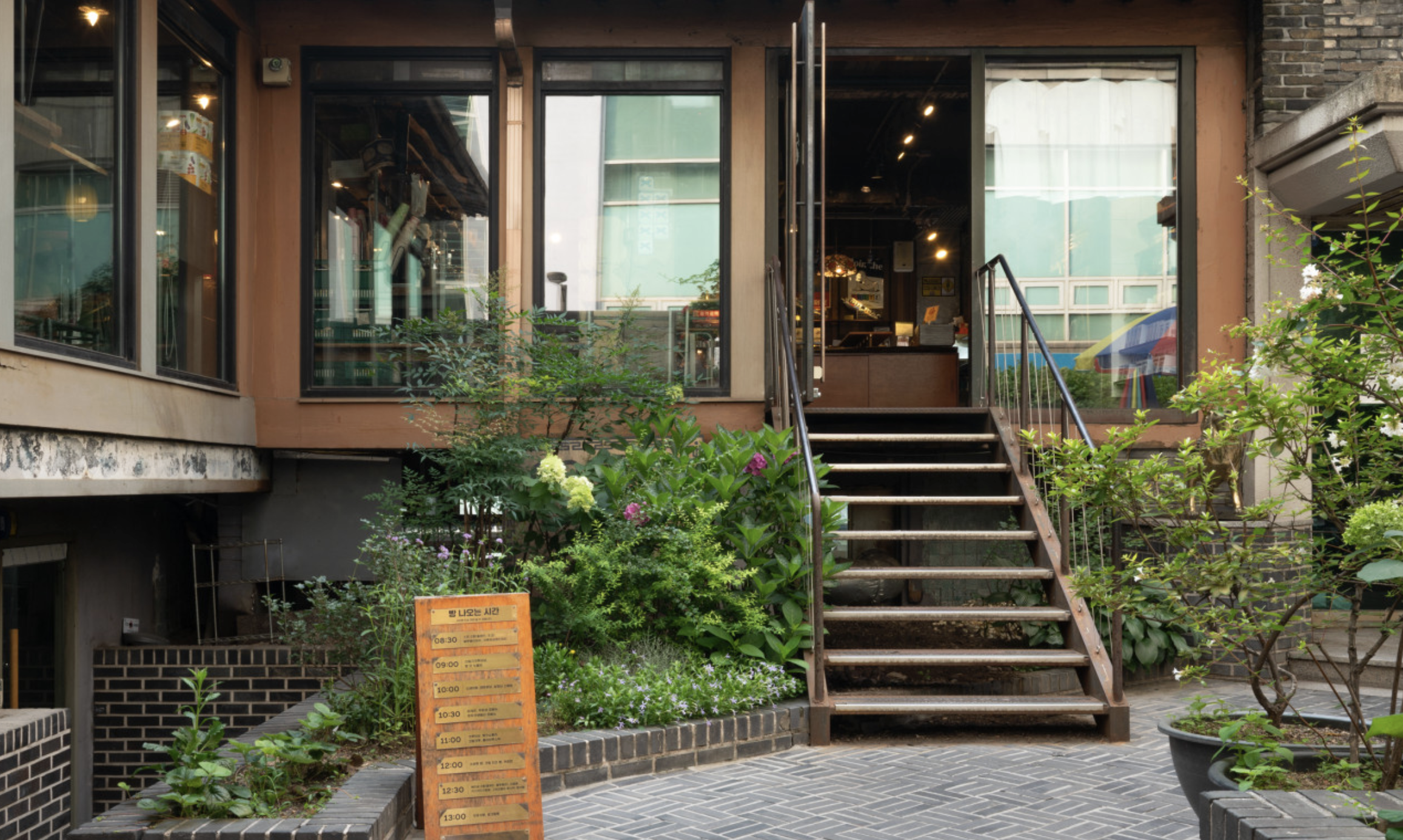
The Dohwa branch is a converted older building with a warm, slightly retro feel. It’s not minimalist or trendy in the usual Seoul café way — it feels more relaxed, more settled. You get a large space, good light, and the smell of fresh roasting from the back.
Order the Seoul Cinema blend Americano (서울시네마) if you want to understand what they do. It’s their most popular roast — Ethiopia and Costa Rica beans, bright and clean with a low bitterness — good enough to drink without milk. If you want something a little sweeter, their cream latte is rich and smooth — a good contrast to the brightness of the Americano. And if you’re there in the morning, try the kouign amann (a Breton butter pastry) — Fritz bakes in-house and it’s one of the better pastries in the city.
It gets busy on weekends, but the queue moves quickly. Worth every minute of the wait.
17 Saechang-ro 2-gil, Mapo-gu, Seoul (서울 마포구 새창로2길 17)
Mon–Fri 8am–10pm · Sat–Sun 10am–10pm
Nearest station: Gongdeok (공덕역), Lines 5, 6, Airport Railroad — 5 min walk
View on Naver Map →
Practical Notes for Visiting Seoul Cafes
Prices are slightly higher at specialty cafés compared to chains like Ediya or Mega Coffee. Expect to pay ₩5,000–7,000 for a specialty Americano, ₩6,000–9,000 for a latte. Chain cafés go as low as ₩1,500.
Seating at popular cafés can be limited on weekends. If you’re planning to stay a while, go on a weekday or arrive early.
No tipping — service isn’t expected in Korean cafés. Just order at the counter and wait for your number to be called.
English menus are common in Seoul cafés, especially in neighbourhoods like Seongsu or Hongdae. Outside of those areas it can be more Korean-only, but pointing and a simple “이거요” (igeo-yo, “this one”) gets you through most situations.
For more on things to do and eat in Seoul, see our Seoul restaurant guide 2026 and things to do in Seoul 2026.
Frequently Asked Questions: Seoul Cafe Culture
What makes Seoul’s cafe scene unique?
Seoul has the highest café density of any major city in the world. Korean cafe culture combines a genuine appreciation for design and aesthetics with serious coffee knowledge — resulting in spaces that range from tiny specialty roasters to multi-floor concept cafes with in-house bakeries and art galleries. The culture around cafes in Korea functions as a social infrastructure: Koreans spend extended time in cafes for studying, working, and meeting friends, which drives high standards for both the space and the coffee.
What is the most popular coffee order in Korea?
The Americano (아메리카노) is by far the most popular coffee order in Korea — far exceeding lattes, cappuccinos, or other espresso drinks in volume. It is the standard baseline order at any café. For cold weather, a hot Americano is standard; in warmer months, iced Americano (아이스 아메리카노, commonly shortened to “아아”) is ubiquitous.
Which neighbourhood in Seoul has the best cafes?
Seongsu-dong is currently Seoul’s most dynamic neighborhood for cafes — an old industrial district that has been colonised by specialty roasters, bakery-cafes, and creative concept spaces. Yeonnam-dong is the strongest alternative for a quieter, more neighbourhood-focused experience. Insadong and Bukchon offer the unique experience of cafes in traditional hanok buildings. Hongdae has the widest price range and is best for late-night coffee.
How much does coffee cost at Seoul cafes?
Specialty cafe Americanos cost ₩5,000–7,000; specialty lattes run ₩6,000–9,000. Budget chain cafes (Ediya, Mega Coffee, Compose Coffee) start from ₩1,500 for a basic Americano. The mid-range is broadly ₩3,000–5,000 at local independent cafes. Premium concept cafes and hotel cafes can run higher, but specialty coffee at independent roasters is generally good value by international standards.
What is dalgona coffee and where can I find it in Seoul?
Dalgona coffee is a whipped instant coffee foam served over iced or hot milk — a preparation that went globally viral in early 2020 and originated in Korea. It’s named after the Korean sugar candy of similar appearance. You can still find it on many Seoul cafe menus, though it has moved from trend to standard offering. Fritz Coffee Company and most specialty roasters don’t serve it; look for it at mid-range cafes and dessert cafes in areas like Myeongdong or Insadong.
Is Fritz Coffee Company the best cafe in Seoul?
Fritz Coffee Company is widely regarded as Seoul’s most consistent specialty roaster — particularly praised for quality control across multiple branches and a genuine commitment to single-origin sourcing. The Dohwa-dong branch is the flagship and the most atmospheric. Other highly regarded specialty roasters in Seoul include Anthracite, Felt Coffee, and Coffee Libre. The “best” depends on what you’re optimising for: Fritz excels at consistency; others may have more interesting seasonal offerings.