Seoul is one of the world’s great food cities. On any given street you’ll find handmade noodles, charcoal-grilled beef, and century-old family recipes sitting beside Michelin-starred tasting menus and bold modern kitchens. For visitors who want to eat seriously — not just well — the Blue Ribbon Survey (블루리본서베이) is South Korea’s most respected dining guide, awarding its coveted three-ribbon rating to the very best tables in the country.
Below is a selection of Seoul’s top-rated restaurants for 2026, spanning Korean, Japanese, French, Chinese, and contemporary cuisines. These are places worth planning a trip around.
For a more casual dining experience, see our Korean street food guide and Korean BBQ guide.
| Restaurant | Category | Price (Dinner) | Location |
|---|---|---|---|
| Mingles | Modern Korean | from ₩280,000 | Cheongdam-dong |
| Kwonsooksoo | Modern Korean | ₩340,000 | Cheongdam-dong |
| Jungsik | Korean-French | ₩195,000–290,000 | Cheongdam-dong |
| Samwon Garden | Korean Grilling | from ₩55,000 | Sinsa-dong |
| Sushi Cho | Japanese | ₩155,000–330,000 | Westin Chosun |
| The Green Table | French | ₩170,000–270,000 | Wonse-dong |
Modern Korean
Mingles (밍글스)
Cheongdam-dong, Gangnam-gu
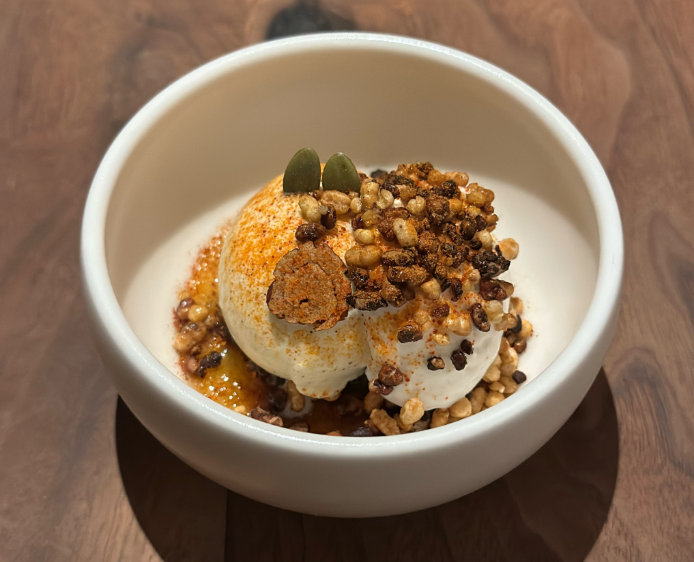
Mingles is one of the most celebrated modern Korean restaurants in the country. Chef Kang Min-gu draws deeply on temple food traditions and classical technique, then reinterprets them with a contemporary eye. The house-made jang (fermented sauces), broth-based dishes, and seasonal ingredients make every course feel rooted in Korean culinary heritage while looking squarely forward. Dinner courses start around ₩280,000 per person.
Hours: Lunch & dinner, closed Sunday and Monday
Kwonsooksoo (권숙수)
Cheongdam-dong, Gangnam-gu
Chef Kwon Woo-joong serves Korean cuisine in a Western fine-dining format — an approach that has earned this restaurant a loyal following among Seoul’s most discerning diners. Homemade vinegars, kimchi made in-house, and traditionally fermented sauces underpin every dish. The signature experience is the 1인 독상 (single individual table setting), a reference to the royal and yangban dining traditions of the Joseon era. A full dinner course is ₩340,000 per person.
Hours: Lunch & dinner, closed Sunday and Monday
Jungsik (정식당)
Cheongdam-dong, Gangnam-gu
The flagship Seoul location of chef Lim Jung-sik’s global restaurant group (which also has a location in New York), Jungsik helped define what “new Korean” cuisine could mean on the world stage. Current head chef Kim Jung-ho continues that vision — Spanish-inflected technique, world-class produce, and classic Korean flavour profiles combined into something genuinely original. Prices range from ₩195,000–₩290,000.
Hours: Lunch & dinner, open daily
Onjium (온지음레스토랑)
Changseong-dong, Jongno-gu
Quietly regarded as one of Seoul’s most intellectually serious kitchens, Onjium researches and revives historical Korean recipes sourced from across the country. Seasonal ingredients are central — the menu changes with what’s available from farmers and foragers — and the presentation is elegant without being showy. Lunch courses start from ₩170,000.
Hours: Lunch & dinner, closed Saturday, Sunday, Monday, and holidays
Korean Grilling (구이)
Samwon Garden (삼원가든)
Sinsa-dong, Gangnam-gu
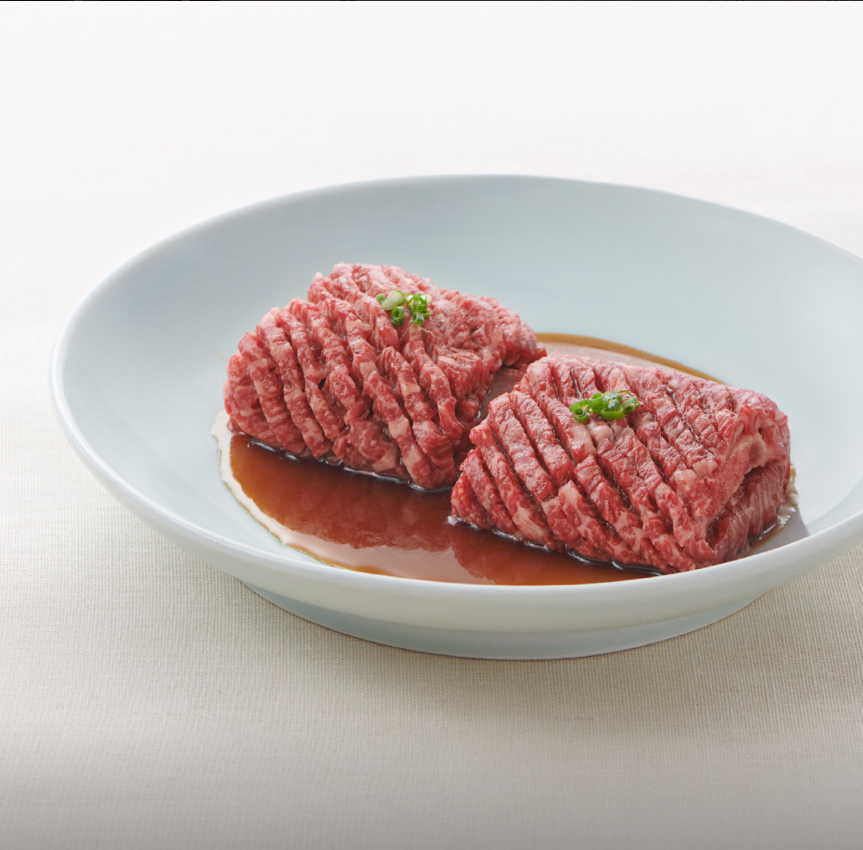
With over 50 years of history, Samwon Garden is one of Seoul’s great institutions. The galbi (short ribs) here are a reference point for the entire city — rich, properly charcoal-grilled, and served with a spread of refined banchan (side dishes) that many competitors still try to replicate. Private dining rooms are available for special occasions. Galbi courses start from ₩55,000 per person.
Hours: 11:30am–3pm, 5–10pm daily
Born & Bred (본앤브레드)
Majang-dong, Seongdong-gu
A premium Korean beef omakase experience offered in an intimate private room on the third floor. The beef sourcing is serious — each cut is selected for the table — and the progression from lighter to richer preparations makes this feel more like a tasting menu than a standard grill visit. Prices start at ₩200,000.
Hours: Lunch & dinner, closed Tuesday
Japanese
Sushi Cho (스시조)
Westin Chosun Hotel, 20th floor, Sogong-dong, Jung-gu
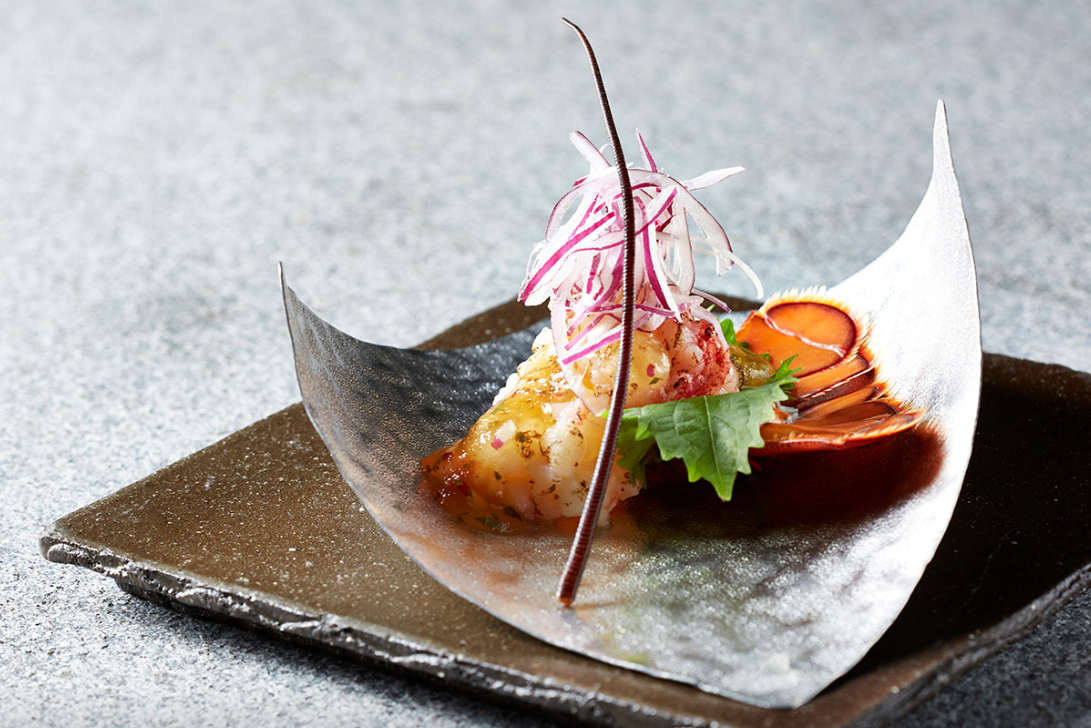
The longest hinoki (Japanese cypress) counter in Korea sits at the centre of this iconic sushi restaurant inside the Westin Chosun. Chef Cho’s vinegared rice is widely considered the benchmark in Seoul, and the premium omakase showcases the finest seasonal fish, including rare Korean waters produce. Courses from ₩155,000–₩330,000.
Hours: Lunch & dinner daily
Gorioriken (고료리켄)
Sinsa-dong, Gangnam-gu
A quietly exceptional contemporary Japanese kitchen where chef Kim Gun draws on French and Italian influences to create a deeply personal omakase. Each course reflects the season precisely — expect immaculate ingredient sourcing and plating that takes nothing for granted. One of the most booked-out tables in the city. Course: ₩250,000.
Hours: 6–10pm, closed Sunday and Monday (dinner only)
French
The Green Table (더그린테이블)
Arario Museum, Wonse-dong, Jongno-gu
Chef Kim Eun-hee’s restaurant in the Arario Museum building brings a distinctive sensibility to French cooking in Seoul — the philosophy is to take the very best seasonal Korean ingredients and treat them through a French lens, with careful sourcing and restrained technique. Set in a remarkable arts space, the meal here is as much about atmosphere as it is about food. Courses from ₩170,000–₩270,000.
Hours: Lunch & dinner, closed Monday and Tuesday
Zero Complex (제로컴플렉스)
Seobinggo-dong, Yongsan-gu
Chef Lee Chung-hoo’s neo-bistro in the quiet Seobinggo neighbourhood is one of Seoul’s most interesting contemporary French kitchens. The approach is creative and herb-forward, the interior deliberately minimal. Since relocating in 2023, Zero Complex has become one of the hottest reservations in the city. Courses from ₩190,000–₩270,000.
Hours: Lunch & dinner, closed Monday
Fine Chinese
Dorim (도림)
Lotte Hotel, 37th floor, Sogong-dong, Jung-gu
Perched on the 37th floor of the Lotte Hotel with sweeping views over central Seoul, Dorim offers a contemporary take on Fine Chinese cooking from experienced hotel kitchen chefs. The combination of elevated setting and serious cooking makes this one of the city’s most impressive dining rooms for a celebratory evening. Courses from ₩150,000–₩550,000.
Hours: Lunch & dinner daily
Taoyuen / Doewon (도원)
The Plaza Hotel, Taepyeongno, Jung-gu
A fifty-year institution inside The Plaza Hotel, Doewon is the standard-bearer for Beijing-style fine Chinese cuisine in Seoul. The cooking is clean and restrained, rooted in classical technique, and the service is among the most polished in the city. Courses from ₩180,000–₩280,000.
Hours: Lunch & dinner daily
Practical Notes for Seoul’s Top Restaurants in 2026
Reservations: All restaurants listed require advance booking. Popular tables like Mingles, Onjium, and Sushi Cho often fill up weeks in advance — book through the restaurant’s official channels or via Naver Reservation (네이버 예약).
Language: Most fine-dining restaurants in Seoul have English menus or English-speaking staff. Calling ahead to confirm is always worthwhile.
Dress code: Smart-casual is expected at most of these establishments. A handful of hotel restaurants (Dorim, Sushi Cho, Doewon) lean slightly more formal.
Price context: Prices quoted are per person, before drinks. Fine dining in Seoul generally offers strong value by international standards — a ₩300,000 tasting menu in Seoul represents a level of cooking that would easily cost double in London, Paris, or New York.
Source: Blue Ribbon Survey (블루리본서베이) Seoul 2026, Korea’s leading independent restaurant guide.
Frequently Asked Questions: Seoul Restaurants 2026
What is the best restaurant in Seoul in 2026?
Mingles (밍글스) in Cheongdam-dong holds Seoul’s highest fine dining accolades in 2026 — three Michelin stars and three Black Pearl diamonds, the only restaurant in Korea to hold both at the highest level. Chef Kang Min-goo’s modern Korean tasting menu is widely regarded as the city’s most compelling fine dining experience. For the broader landscape of Seoul’s top tables, see our Seoul Black Pearl restaurant guide.
How much does fine dining in Seoul cost?
Fine dining tasting menus in Seoul range from approximately ₩150,000–₩420,000 per person for food, with optional wine pairings adding ₩80,000–₩150,000. Lunch menus at the same restaurants typically run 20–30% cheaper. By international comparison, Seoul fine dining represents strong value — a three-Michelin-star meal here costs significantly less than equivalent restaurants in Tokyo, Paris, or New York.
How do I book a restaurant in Seoul?
The primary booking platforms for Seoul restaurants are CatchTable (catchtable.co.kr) and Naver Reservation (booking.naver.com). CatchTable has English-language functionality and is used by most high-end restaurants. For restaurants not on either platform, email enquiry in English is almost universally accepted. Book Mingles and Jungsik 4–6 weeks ahead; other restaurants in this guide typically require 1–2 weeks minimum.
Which area of Seoul has the best restaurants?
The Gangnam-gu area — particularly Cheongdam-dong, Apgujeong, and Sinsa-dong — is the highest concentration of upscale dining in Seoul. Jongno-gu (including Insadong and the Gyeongbokgung area) has historically significant Korean restaurants with a more traditional setting. For casual and neighbourhood dining, Seongsu-dong, Mapo-gu (Mangwon, Yeonnam), and Hongdae-Sinchon offer excellent value and variety.
Are there good vegetarian restaurants in Seoul?
Vegetarian fine dining in Seoul remains limited in 2026, but options are improving. Temple food restaurants (사찰음식) offer the most naturally vegetarian Korean dining experience — Balwoo Gongyang near Jogyesa Temple is the best-known example. Several modern Korean restaurants can accommodate vegetarians with advance notice. For casual vegetarian dining, the neighbourhood around Insadong has the highest density of vegetarian-friendly options.
What does Blue Ribbon Survey mean in Korea?
The Blue Ribbon Survey (블루리본서베이) is South Korea’s most respected independent restaurant rating system, founded in 2005. It awards one, two, or three ribbons to restaurants, with three ribbons (the highest) indicating exceptional cooking worthy of a special visit. All restaurants listed in this guide have three-ribbon recognition from the Survey. Unlike Michelin, which entered Korea only in 2017, the Blue Ribbon Survey has operated continuously since 2005 and has the deepest coverage of Korean restaurants.