Open any Korean refrigerator — in Seoul, in Busan, in a farmhouse in Jeolla — and you will find kimchi. Not the same kimchi. That is the thing foreigners rarely expect: kimchi is not one dish. It is a category. A method. A living tradition with more than 200 documented varieties, shaped by region, season, ingredient, and the particular hand that made it.
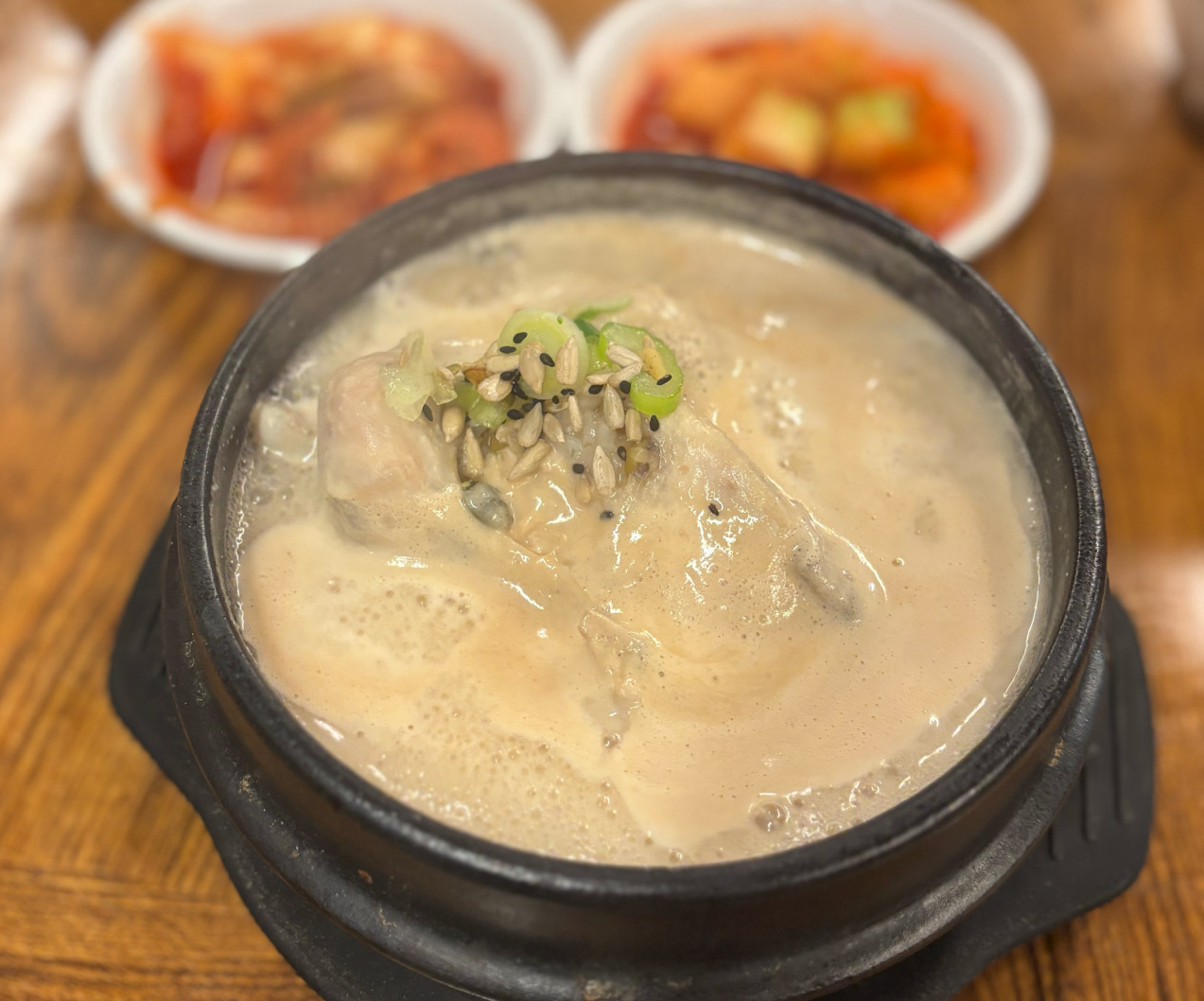
I grew up eating at least four kinds of kimchi on the table at any given meal — baechu kimchi every day without question, kkakdugi when my grandmother made seolleongtang, oi sobagi in summer when the cucumbers came in, dongchimi in winter to cut through the richness of heavier stews. Each had its own texture, its own temperature in the mouth, its own reason to exist.
This guide covers the types of kimchi you are most likely to encounter in Korea — what they are made of, how they taste, and when Koreans actually eat them.
Quick Reference: Types of Kimchi at a Glance
| Korean Name | English Name | Main Ingredient | Best Season | Flavour Profile |
|---|---|---|---|---|
| 배추김치 Baechu kimchi | Napa cabbage kimchi | Napa cabbage | Year-round | Spicy, tangy, umami-rich |
| 깍두기 Kkakdugi | Radish kimchi | Korean radish (daikon) | Year-round | Crunchy, sharp, refreshing |
| 오이소박이 Oi sobagi | Stuffed cucumber kimchi | Korean cucumber | Spring / Summer | Fresh, crisp, mildly spicy |
| 총각김치 Chonggak kimchi | Bachelor kimchi | Ponytail radish | Autumn / Winter | Crunchy, pungent, funky |
| 갓김치 Gat kimchi | Mustard leaf kimchi | Jeolla mustard leaves | Autumn / Winter | Bitter, earthy, bold |
| 열무김치 Yeolmu kimchi | Young radish kimchi | Young radish greens | Spring / Summer | Light, crunchy, mild |
| 나박김치 Nabak kimchi | Square-cut water kimchi | Radish + cabbage | Spring / New Year | Mild, lightly tangy, clean |
| 동치미 Dongchimi | Winter radish water kimchi | Whole radish | Winter | Cold, clean, slightly effervescent |
What Is Kimchi? A Brief History
Kimchi (김치) is Korea’s traditional fermented vegetable dish — arguably the most important food in the Korean culinary canon. The name itself translates literally as salted vegetables, which points to its essential chemistry: salt draws moisture from the vegetables and creates the conditions for lactic acid bacteria to thrive, driving fermentation.
The earliest versions of kimchi trace back to the Three Kingdoms period (57 BCE–668 CE), when Koreans were already pickling and salting vegetables as a preservation method through long, brutal winters. These early kimchis were pale, unspiced, and closer to pickled vegetables than what we eat today.
The transformation happened in the 16th century, when chili peppers arrived on the Korean peninsula from the Americas via Japan. Gochugaru — the coarse, sun-dried red pepper flakes that give kimchi its colour and heat — became fully integrated into the recipe by the 18th century, and the bright red ferment we recognise today was born.
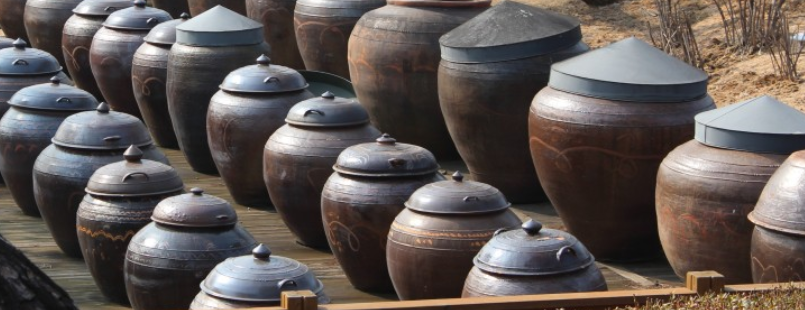
In 2013, kimjang (김장) — the communal tradition of making and sharing large quantities of kimchi before winter — was inscribed on UNESCO’s Intangible Cultural Heritage of Humanity list. Kimjang is not just a food event; it is a social institution. Neighbours, families, and entire villages once gathered to salt hundreds of heads of cabbage together, packing earthenware onggi crocks that would sustain households through months of cold.
Today, Korea maintains kimchi as a UNESCO-recognised cultural practice and a point of national identity unlike almost any other food culture on earth.
The 8 Types of Kimchi Every Korea Visitor Should Know
1. 배추김치 — Baechu Kimchi (Napa Cabbage Kimchi)

The one. The ur-kimchi. If you have eaten kimchi anywhere in the world, this is almost certainly what you ate.
Baechu kimchi accounts for over 70% of all marketed kimchi in Korea. It is made by salting whole heads of napa cabbage (baechu, 배추) to draw out moisture, then massaging in a seasoning paste of gochugaru, garlic, ginger, salted shrimp or fish sauce, and saeujeot (brined baby shrimp). The result is packed into containers and left to ferment — anywhere from a few days to over a year.
Fresh baechu kimchi (geotjeori, 겉절이) is eaten immediately, lightly dressed rather than fermented. Aged kimchi — especially mukimchi (묵은지), kimchi that has been fermenting for a year or more — develops a deep, wine-like sourness that is used as an ingredient in dishes like kimchi jjigae and kimchi jeon.
When you’ll eat it: Every day, with every meal, without exception.
2. 깍두기 — Kkakdugi (Cubed Radish Kimchi)

If baechu kimchi is the backbone of the Korean table, kkakdugi is its sharp, satisfying counterpoint.
Made from Korean radish (mu, 무) — a large, dense, mild-flavoured variety distinct from Japanese daikon — kkakdugi is cubed into bite-sized chunks and mixed with the same gochugaru-based seasoning as baechu kimchi. Because the radish does not need to soak overnight (it releases its own moisture quickly), kkakdugi comes together faster and is often considered a weeknight kimchi.
The texture is the point. Kkakdugi is crisp with a satisfying snap; it makes an audible crunch when bitten. The radish sweetness plays against the fermented heat beautifully.
When you’ll eat it: Alongside ox bone soup (seolleongtang), sundubu jjigae, or any broth-heavy dish. The clean crunch cuts through richness perfectly.
3. 오이소박이 — Oi Sobagi (Stuffed Cucumber Kimchi)
Every Korean summer brings a craving for oi sobagi. These are short sections of Korean cucumber, scored with a cross-cut at one end and stuffed — sobagi means stuffed — with a mixture of gochugaru, garlic, chives, and salted shrimp.
Oi sobagi is eaten fresh or after just a day or two of fermentation. It does not keep long — cucumbers lose their crunch after four or five days — which is partly why Koreans make it in small batches, often just before eating. At its best it is cold, vivid, faintly spicy, and intensely refreshing: everything you want in a side dish when the Seoul summer hits 35°C.
When you’ll eat it: Spring through summer, as a cool banchan alongside grilled meat, rice, or naengmyeon.
4. 총각김치 — Chonggak Kimchi (Bachelor Kimchi / Ponytail Radish Kimchi)
Chonggak (총각) literally means bachelor — a reference to the long, trailing green stems of the radish that resemble the topknot hairstyle traditionally worn by unmarried young men during the Joseon Dynasty. The name has stuck, though the radishes are now eaten by everyone.
The chonggak radish is small, round, and pale, with its entire green stem left attached. The whole thing — radish and greens — is seasoned and fermented together. The texture is crunchier and more fibrous than kkakdugi, and the flavour is more pungent and assertive, with a fermented funk that develops beautifully over time.
When you’ll eat it: Autumn and winter. A staple banchan at Korean barbecue restaurants, where the cold, crunchy radish works well against the fat of grilled pork belly.
5. 갓김치 — Gat Kimchi (Mustard Leaf Kimchi)
Gat kimchi is a regional speciality with a geography: it comes from Jeolla Province, specifically the coastal areas around Yeosu and Gwangyang, where the wild mustard leaf (gat, 갓) grows large, purple-edged, and intensely flavoured.
The flavour is unlike any other kimchi. The mustard leaf has a natural bitterness, a loamy earthiness, and a mild pungency that deepens significantly during fermentation. Jeolla-style gat kimchi is made with extra-generous amounts of fermented seafood — myeolchijeot (anchovy fish sauce) being the most common — which gives it a deeply savoury, almost oceanic richness.
If baechu kimchi is the standard and kkakdugi is the everyday workhorse, gat kimchi is the connoisseur’s kimchi: polarising, regional, and unforgettable.
When you’ll eat it: Autumn and winter. Seek it out at Jeolla-style restaurants in Seoul, or make the trip to Yeosu to eat it where it belongs.
6. 열무김치 — Yeolmu Kimchi (Young Radish Kimchi)
Yeolmu (열무) — literally young radish — is a seasonal green: slender, with small white radish bulbs attached to long, leafy stems. Yeolmu kimchi is the lightest and most delicate of the major varieties, made with or without fermentation depending on how it will be used.
Fresh yeolmu kimchi is crunchy, mildly spiced, and faintly sweet. It is a spring and early summer kimchi, timed to when the young radishes come into the market. Unlike baechu kimchi, it is not typically aged; the idea is freshness.
When you’ll eat it: Best in spring and summer alongside bibimbap or as a topping for mul naengmyeon (cold buckwheat noodles in broth) where the crunch and mild flavour complement the icy noodles.
7. 나박김치 — Nabak Kimchi (Square-Cut Water Kimchi)
Nabak kimchi is what Koreans call mul kimchi (물김치) — water kimchi. Instead of a thick, paste-coated ferment, nabak kimchi consists of radish and cabbage cut into thin squares, floating in a clean, lightly spiced brine. The colour is a faint blush-pink from a small amount of gochugaru.
The flavour is cool and refreshing, mildly tangy, with a lightness that makes it feel closer to a cold soup than a side dish. It is traditionally served during Seollal (Korean Lunar New Year) alongside tteokguk (rice cake soup), and in spring when the palate wants something clean after a long winter.
When you’ll eat it: New Year celebrations, spring meals, or as a palate cleanser between rich dishes.
8. 동치미 — Dongchimi (Winter Radish Water Kimchi)
Dongchimi is the winter companion to nabak kimchi — and an entirely different experience. Dong (동) means winter; this is kimchi made for the cold months and designed to improve throughout the season.
Whole Korean radishes are packed with aromatics — green onions, ginger, garlic, sometimes pear or jujube — in a large crock and covered with salted water. The fermentation is slow and cold, producing a brine that becomes gently effervescent and deeply complex over months. At its peak — traditionally around the winter solstice (Dongji) — the brine is said to be at its finest.
Dongchimi brine has historically been used as the broth base for mul naengmyeon (물냉면), the cold buckwheat noodle dish. The liquid is slightly sour, slightly fizzy, and clean on the palate in a way that almost nothing else achieves.
When you’ll eat it: Winter through early spring. The brine is as prized as the radish itself.
Regional Kimchi: North vs. South
Korea’s kimchi traditions are shaped as much by geography as by season.
Northern-style kimchi (from what is now North Korea and the northern provinces) is traditionally less spicy and less salty. Because the climate is colder, fermentation happens more slowly, and kimchi was made without the generous amounts of fermented seafood that the warmer south had access to. Northern kimchi tends to be watery and mild — closer in spirit to dongchimi or nabak kimchi.
Southern-style kimchi — from Jeolla Province and Gyeongsang Province — is the opposite: bold, salty, heavy on fermented seafood (jeotgal, 젓갈), and generously spiced. This is the kimchi that defined the international image of the dish. Jeolla Province in particular is considered Korea’s culinary heartland, and its kimchi — including gat kimchi and its deeply seasoned baechu kimchi — reflects a cuisine that does not hold back.
The difference is stark enough that Koreans from different regions will often describe kimchi from other parts of the country as almost unrecognisably different from the version they grew up eating.
Why Kimchi Is Good For You
Beyond taste and culture, kimchi has earned sustained attention from nutritional scientists. The fermentation process produces lactic acid bacteria (LAB) — the same probiotics found in yogurt, but at higher concentrations in traditionally made kimchi. Research has linked regular kimchi consumption to improved gut health, reduced symptoms of IBS, and positive effects on the gut microbiome.
The vegetables themselves — cabbage, radish, cucumber — are rich in fibre, vitamins C and K, and antioxidants. Garlic and ginger, used in quantity in most kimchi pastes, carry their own well-documented anti-inflammatory properties.
Traditionally, kimchi was fermented in onggi (옹기) — clay earthenware crocks that are microporous, allowing carbon dioxide to escape during fermentation while keeping contaminants out. Studies have found that kimchi fermented in onggi produces LAB counts up to 100 times higher than kimchi fermented in steel or plastic containers. A handful of producers still use onggi today; look for the label when buying premium kimchi.
Where to Try Kimchi in Korea
At any Korean meal: Kimchi is banchan (반찬) — a side dish served automatically with rice. You do not need to seek it out. It will find you.
Gwangjang Market, Seoul: The covered stalls here sell fresh geotjeori (unfermented baechu kimchi) made on the spot. Eat it with bindaetteok (mung bean pancake) for the full experience.
Naju Gomtang restaurants, Seoul: These ox bone soup restaurants will always have kkakdugi alongside the broth — some of the best-paired kimchi in the city.
Jeonju: Travel to this Jeolla Province city and you will encounter kimchi that tastes decisively different from what Seoul serves — richer, more complex, more fermented seafood in everything. The local baechu kimchi at a traditional hanshik restaurant in Jeonju is worth the trip alone.
Gyeonggi-do farmstays: Several rural guesthouses in the province around Seoul offer kimjang experiences in November and December, where you can learn to make kimchi yourself using traditional methods, including onggi crocks.
One Last Thing About Kimchi
Every Korean family has a kimchi that belongs only to them. My grandmother made hers with extra saeujeot and a little more ginger than the recipe called for. My mother’s version ferments faster because she uses a warmer spot in the kitchen. Neither would agree the other’s was better.
That is the nature of kimchi. There are 200 varieties and then, inside each variety, an infinite number of personal versions shaped by hand, memory, and preference. No jar from a supermarket — Korean or otherwise — will taste like the kimchi that came out of someone’s onggi crock in November, packed by a family that has been doing it the same way for three generations.
If you are coming to Korea, that is the kimchi to look for.
Related: Korean BBQ Guide · Korean Street Food · Korea’s Trinity of Taste