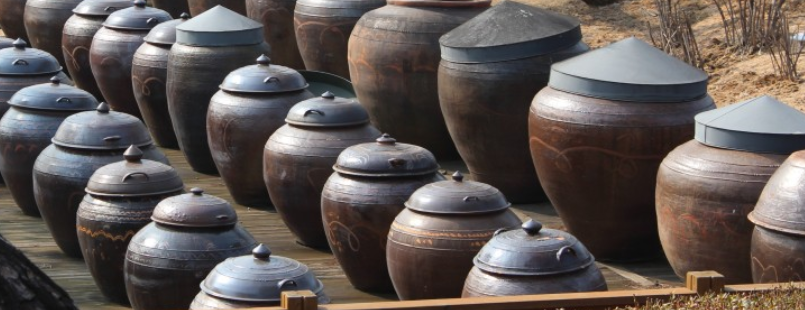
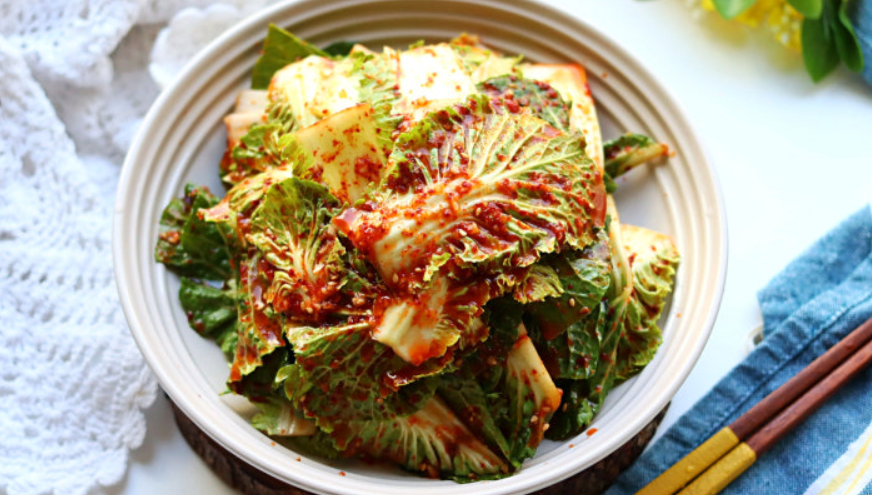
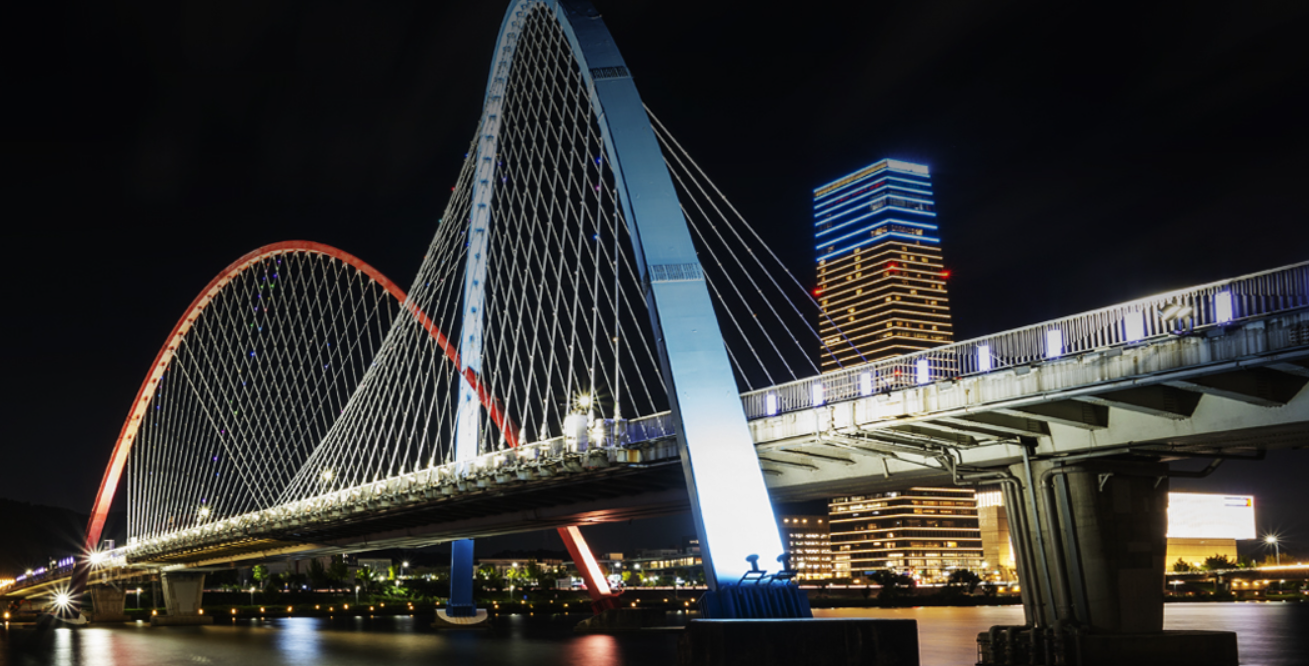
If every Korean city has its own personality, Jeonju’s is deliberate — a city that looked at the pace of modernisation and chose, consciously, to slow down. While the rest of Korea built upward and forward, Jeonju kept its 700-house hanok village intact, refined its cuisine to a level recognised by UNESCO, and continued to make paper and brew rice wine the same way it has for centuries.
The result is one of the most rewarding cities to visit in Korea: compact enough to walk across in an afternoon, rich enough to fill three days easily, and delicious enough to anchor an entire trip around nothing but meals. In 2026, Jeonju Hanok Village remains one of Korea’s most visited traditional destinations.
Quick Reference: Jeonju Hanok Village
| Detail | Info |
|---|---|
| From Seoul | KTX ~1 hr 50 min (₩27,600); Express bus ~2.5 hrs (from ₩10,800) |
| Getting around | Taxi from station (₩5,000–7,000); walking within the village |
| Best time to visit | Spring (Apr–May), Autumn (Oct) |
| Recommended stay | 2–3 nights |
| Don’t miss | Jeonju bibimbap, makgeolli alley, Gyeonggijeon Shrine |
| Hanok stay from | ₩50,000/night |
Getting to Jeonju
From Seoul by KTX: The fastest option. Seoul Station to Jeonju Station takes approximately 1 hour 50 minutes. Trains run frequently from early morning; standard seats cost around ₩27,600 each way. Book through the Korail website or the Korail app.
By Express Bus: A budget-friendly alternative from Seoul’s Honam Express Bus Terminal near Gangnam. The journey takes about 2 hours 30–40 minutes depending on traffic; tickets from ₩10,800. Buses run almost hourly.
Getting around Jeonju: The Hanok Village is a short taxi ride from Jeonju Station (₩5,000–7,000). Once inside the village, everything worth seeing is walkable.
Where to Stay in Jeonju: Sleeping in a Hanok
The most memorable way to experience Jeonju is to sleep inside it — literally. The Hanok Village has dozens of traditional guesthouses where you sleep on yo (floor mattresses) laid over warm ondol floors, bathe in carved wooden tubs, and wake to paper-screen windows filtering the morning light across exposed timber beams. There is no better way to understand why Koreans preserved these buildings.
Hakindang (학인당)
A working traditional estate owned by the same family for generations. Hakindang offers the rarer experience of staying in a daetgil (grand house) that is authentically, not decoratively, old — the rooms are arranged around an inner courtyard shaded by persimmon and pomegranate trees, and the owners are as much a part of the experience as the building itself. → Hakindang Jeonju
Smaller Guesthouses
If the marquee names are full, dozens of minbak-style hanok guesthouses line the lanes between Gyeonggijeon Shrine and Omokdae Pavilion. Prices range from ₩50,000 to ₩120,000 per night. Look for recent reviews on Naver or Airbnb’s Jeonju hanok listings for verified options. Prioritise places with private bathroom facilities if that matters to you — some smaller guesthouses share washing facilities across rooms.
Practical hanok tips:
- The ondol under-floor heating keeps rooms warm even in midwinter; don’t over-layer before bed
- Most guesthouses have a late-evening curfew (usually midnight); confirm when booking
- Shoes are left at the entrance; indoor slippers are provided
- The quietest, most atmospheric hours are before 9 AM and after 8 PM, when day-trip crowds have thinned
What to Eat: Jeonju’s Extraordinary Food Scene
No Korean city takes its food more seriously than Jeonju. Its UNESCO Creative City of Gastronomy designation is hard-won: the local rice is among the country’s finest, the banchan spread at any good restaurant runs to 15–20 dishes, and several of Korea’s most beloved dishes were either invented here or perfected here over centuries.
Jeonju Bibimbap (전주 비빔밥): Where to Eat the Best
The dish Jeonju is famous for is also the one most visitors eat first — and it bears almost no resemblance to the convenience-store version you may have encountered elsewhere. Jeonju bibimbap arrives in a large bronze bowl (not a hot stone pot), the rice is cooked in rich yuksu beef bone broth rather than plain water, and the toppings — thirty or more precisely prepared vegetable namul, slivers of marinated beef, a raw or lightly fried egg, and a small measured amount of gochujang — represent hours of individual preparation.
Do not add extra gochujang before tasting it. The balance has been calibrated by people who have been making this dish for decades.
Where to eat it:
- Gajokhoegwan (가족회관) — The institution. Family-run for over 40 years, with a queue-forming reputation that is entirely justified. The banchan spread alone is worth the trip. Lunch service only; arrive before noon on weekends or expect to wait.
- Hwachun Sikdang (화춘식당) — A quieter, warmer alternative with comparable quality and a long local following. Slightly easier to get a table.
- Ga Nara (가나라) — Popular with younger Koreans; a more contemporary presentation of the same classic ingredients. Open for both lunch and dinner.
Kongnamul Gukbap (콩나물국밥) — The Morning Bowl
Jeonju’s breakfast of choice, and one of the most comforting bowls of food in Korea. A clear, deeply savoury bean-sprout broth with rice, seasoned tableside with dried red pepper, fermented salted shrimp (saeujeot), and sliced spring onion. Order it with suran — a poached egg slipped into the bowl at the last moment — and a side of kimchi. This is what locals eat after a long night of makgeolli, but it is extraordinary at any hour of the day.
Where to eat it:
- Nambu Market Food Hall (남부시장) — Several excellent kongnamul gukbap stalls in the market’s lower floor; the most atmospheric setting in the city for this dish
- Hyundae Okjeong (현대옥) — Consistent and popular, open from early morning
Makgeolli (막걸리) — The Social Drink of Jeonju
Jeonju has a makgeolli culture unlike anywhere else in Korea. Order a large earthenware bowl (dongdegi) at any makgeolli jip in the village, and watch what happens: unprompted, free snacks arrive. Then more. Then more again, self-replenishing throughout the evening at no extra charge — pajeon (scallion pancakes), dubu kimchi, braised potatoes, seasonal side dishes. In Jeonju, generosity with food is simply how hospitality works.
Where to drink it:
- Samcheon-dong Makgeolli Alley (삼천동 막걸리 골목) — An entire street of traditional makgeolli houses; lively from 5 PM and extraordinary by 8 PM. A 10-minute taxi ride from the Hanok Village.
- Hanok Village Makgeolli Houses — Atmospheric drinking in old hanok buildings with courtyard seating in warmer months; easier to stumble upon than plan
Hanok Village Street Food
Wandering the village’s lanes, you’ll find a rotation of Jeonju-specific street foods that are worth stopping for:
- Jubjuk Ice Cream — Black bamboo charcoal soft-serve in a striking dark cone; sold from stalls near the Gyeonggijeon entrance and immediately photogenic
- Hangwa (한과) — Traditional Korean sweets made from rice flour, honey, and sesame seeds; look for specialist shops near the village’s main entrance road
- Moju (모주) — A warm, lightly spiced, near-zero-alcohol drink brewed from makgeolli with jujubes, ginger, and cinnamon; sold in paper cups from street vendors throughout the village; sweet, warming, and deeply local
- Choco Pie (Jeonju-style) — Local bakeries make oversized, individually crafted versions of the classic Korean snack; far better than the factory original
For a broader guide to Korean street food across the country, see our Korean Street Food Guide. For Jeonju’s role in Korea’s regional produce traditions, our Korea Regional Produce Guide has a detailed Jeolla section.
Exploring the Jeonju Hanok Village
The Jeonju Hanok Village (Hanok Maeul, 한옥마을) is not a theme park or a preserved museum district — it is a working neighbourhood where people live, run businesses, and go about their days. That distinction matters: the atmosphere is real.
The village has two natural axes. The first runs along Taejo-ro, the broader road connecting Gyeonggijeon Shrine to the main village entrance — busier, with the highest concentration of food stalls, craft shops, and cafés. The second leads upward through quieter residential lanes toward Omokdae Pavilion, where the tourist density thins and the neighbourhood feels entirely like itself.
Gyeonggijeon Shrine (경기전)
Admission ₩3,000. The atmospheric walled compound at the heart of the village was built in 1410 to house the portrait of Joseon’s founder, King Taejo — the original still hangs here. The inner shrine is surrounded by ancient trees, stone lanterns, and bamboo groves that feel otherworldly on misty mornings. Don’t skip the attached small museum, which has well-translated exhibits on Joseon court culture and the history of the site. → Gyeonggijeon Shrine
Jeondong Catholic Cathedral (전동성당)
Free entry. A Byzantine-Romanesque red-brick cathedral completed in 1914, built partly from tiles salvaged from Jeonju’s demolished city wall. It rises incongruously — and beautifully — above the hanok rooftops directly opposite the Gyeonggijeon entrance. The interior is cool, quiet, and worth stepping inside regardless of your interest in religion.
Omokdae Pavilion (오목대)
A short, steep walk uphill from the village centre brings you to this hillside pavilion, where General Yi Seonggye (later King Taejo) celebrated a military victory before returning to establish the Joseon dynasty. Today it offers the best view in Jeonju: a sweeping panorama of the entire hanok village’s curved tiled roofscape below, best at late afternoon when the light turns the tiles gold.
Traditional Craft Workshops
The Hanok Village has a concentration of living craft workshops that welcome visitors. Look for:
- Hanji (한지) paper-making studios — Jeonju is the last city in Korea with a continuous tradition of hand-making hanji from mulberry bark. Several studios offer 30-minute paper-making sessions for around ₩10,000–15,000; the result is a genuinely beautiful souvenir
- Hanbok rental — Dozens of shops rent traditional hanbok for a few hours (from ₩10,000). Wandering the village in hanbok is a genuinely enjoyable experience, not merely a photo opportunity
- Pottery and lacquerware workshops — Several studios offer short hands-on sessions; look for signs along the lanes between Gyeonggijeon and the Omokdae path
Beyond the Hanok Village
Jaman Mural Village (자만벽화마을)
A five-minute walk uphill from the Hanok Village, Jaman is a residential hillside neighbourhood whose steep alleyways are covered in murals painted by local artists. Less visited than Busan’s Gamcheon Culture Village, it has a more intimate, unhurried quality — and the views from the upper paths back over the hanok rooftops below are among the most quietly beautiful in Jeonju.
Nambu Market (남부시장)
A 10-minute walk south of the Hanok Village, Nambu Market is the city’s main traditional market — wet produce, dried goods, and a long line of tteok (rice cake) vendors on the ground floor. The top floor has been transformed by young local food entrepreneurs into a pojangmacha-style food court with more creative, contemporary dishes. Visit on a Friday evening when it operates as a weekly night market. → Nambu Market
Jeonju National Museum (국립전주박물관)
Free entry. Set in quiet parkland south of the city centre, the museum holds the largest collection of Baekje Kingdom artefacts and Buddhist art in Korea — gold jewellery, celadon, and ceremonial objects spanning two millennia. Consistently undervisited by tourists and worth an unhurried hour or two. → Jeonju National Museum
Practical Tips for Visiting Jeonju
- Best time to visit: Spring (April–May) for mild weather and the Jeonju International Film Festival; autumn (October) for the Korea Jeonju Bibimbap Festival and clear, cool skies. The village is very busy on weekends and Korean public holidays — visit midweek if you can.
- How long to stay: Two nights is the minimum to eat well and explore properly. Three nights lets you add the national museum, a Nambu Market evening, and Jaman without rushing.
- Morning strategy: Start before 9 AM. The village at dawn — street vendors setting up, a thin mist between rooftops, the smell of doenjang jjigae from guesthouse kitchens — is the best version of itself.
- Cash: Many smaller food vendors and hanok guesthouses are cash-only. ATMs are available at the major banks along the main road beside the village.
- Crowds: Peak congestion runs from 11 AM to 3 PM on weekends. If you’re staying overnight, you have the advantage of being there before and after the day-trippers arrive.
For help choosing when to visit Korea, see The Best Months to Visit Korea. For packing lists and transport preparation, see Korea Travel Essentials.
The further you wander from the main road and the longer you linger, the more Jeonju reveals itself. Follow the smell of sesame oil down a side lane. Accept the makgeolli when it’s offered. Walk up to Omokdae at dusk and watch the tiled rooftops turn gold below. Jeonju is not a city that rewards hurrying — and that, more than anything on the menu, is its greatest appeal.
Frequently Asked Questions
How do I get from Seoul to Jeonju Hanok Village? Take KTX from Seoul Station to Jeonju Station — approximately 1 hour 50 minutes, ₩27,600 for a standard seat. From Jeonju Station, a taxi to the Hanok Village costs ₩5,000–7,000 and takes about 10 minutes. Express buses from Seoul Gangnam Terminal take 2.5–3 hours and cost from ₩10,800 — a good budget option.
Is Jeonju worth visiting for food alone? Yes — Jeonju is widely considered Korea’s food capital. The bibimbap here is in a different category from anywhere else in Korea, the kongnamul gukbap is one of the great Korean breakfast bowls, and the makgeolli culture (free snacks with every order) is unlike anything else in the country. Food lovers often make Jeonju their highlight of any Korea trip.
What is Jeonju Hanok Village actually like? It’s a real, working neighbourhood of 700 traditional hanok houses — not a museum or theme park. People live there. The lanes between the houses have food stalls, craft studios, cafés, and guesthouses. It’s busiest between 11am and 3pm on weekends. Staying overnight lets you experience the village before and after the day-trip crowds, which is the recommended approach.
How many days should I spend in Jeonju? Two nights is the practical minimum to eat well and explore the main sights. Three nights lets you include the national museum, a Nambu Market evening, and the Jaman Mural Village without feeling rushed. Jeonju can also be done as a very full day trip from Seoul, but overnight is significantly better.
What should I buy in Jeonju Hanok Village? Hanji (handmade mulberry paper) is Jeonju’s signature craft — buy sheets, notebooks, or household items from specialist shops. Traditional hangwa (Korean sweets), local makgeolli to take home, and hanbok rental items (you return them, but the experience is the souvenir) are other good options. The Gyeonggijeon Shrine area has the best selection of craft shops.
Is Jeonju Hanok Village crowded in 2026? Yes, particularly on weekends between March and November. The village draws large crowds of Korean domestic tourists as well as international visitors. Arrive before 9am for the quietest experience; the late afternoon (after 4pm) also sees crowds thin considerably. Midweek visits are dramatically calmer than weekends.