You come to Seongsu-dong for one café. You end up queuing for salt bread, wandering into a pop-up you didn’t know existed, finding a gallery behind an unmarked door, spending an hour in Olive Young’s five-floor flagship, and missing your dinner reservation somewhere else entirely. That’s a normal Tuesday in Seongsu-dong.
Seoul’s most exciting neighbourhood right now sits on Line 2, about 20 minutes east of the city centre, in a cluster of streets that don’t look like much from the outside. The buildings are big, often industrial, sometimes still a little rough around the edges. Some of the best cafés in the city are inside them. So is a Gentle Monster art tower, Korea’s largest beauty store, and a rotating cast of pop-up installations from global brands that chose Seongsu-dong specifically because this is where Seoul’s tastemakers actually go.
The raw material is old factory space — the neighbourhood spent decades as Seoul’s shoe manufacturing hub before the industry collapsed in the late 1990s. The warehouses stayed. Artists moved in, then designers, then cafés that kept the concrete floors and the rust on the walls on purpose. That grit-meets-glamour texture is what makes Seongsu feel different from anywhere else in the city: it wasn’t built to be a destination, and it hasn’t been polished into one.
In 2026, it remains the most dynamic neighbourhood in Seoul for pop-ups, independent culture, and the kind of discovery that doesn’t happen on a tourist map. This guide covers the best things to do in Seongsu-dong — the cafés worth building time around, the shops with actual staying power, how to find what’s opening during your visit — and gives you enough of a map to get happily lost.
| Best for | Cafés, pop-ups, K-beauty, street art, Seoul Forest |
| How long | Half day minimum; full day recommended |
| Best time to visit | Weekday mornings (Tue–Thu, before noon) |
| Getting there | Line 2 → Seongsu Station, Exits 3 or 4 |
| Nearest other areas | Gangnam (15 min), City Centre (20 min) |
How to Get to Seongsu-dong: Metro, Taxi & Directions
By Metro: Seongsu-dong is on Line 2 (the green circular line) — Seoul’s most useful single line. Seongsu Station (성수역) is the main entry point; Exits 3 and 4 drop you directly onto the main cafe and pop-up strip. For the eastern fringe toward Common Ground and the Konkuk University area, Ttukseom Station (뚝섬역) is closer. For Seoul Forest Park and the quieter residential cafés along Seoulsup-gil, alight at Seoul Forest Station (서울숲역) on the Suin-Bundang Line.
From City Hall or Myeongdong, Seongsu is approximately 20 minutes by Line 2. From Gangnam, it’s under 15 minutes via Line 2 in the opposite direction.
By Taxi: From central Seoul, ₩8,000–12,000 depending on traffic. The Seongdong Bridge approach can back up in the early evening. Kakao T is reliable and marginally cheaper than flagging a cab.
Seongsu-dong Neighbourhood Map: Key Areas & Streets to Know
Seongsu-dong is not a single street but a shifting cluster of activity across several adjacent areas. Understanding the geography saves confusion.
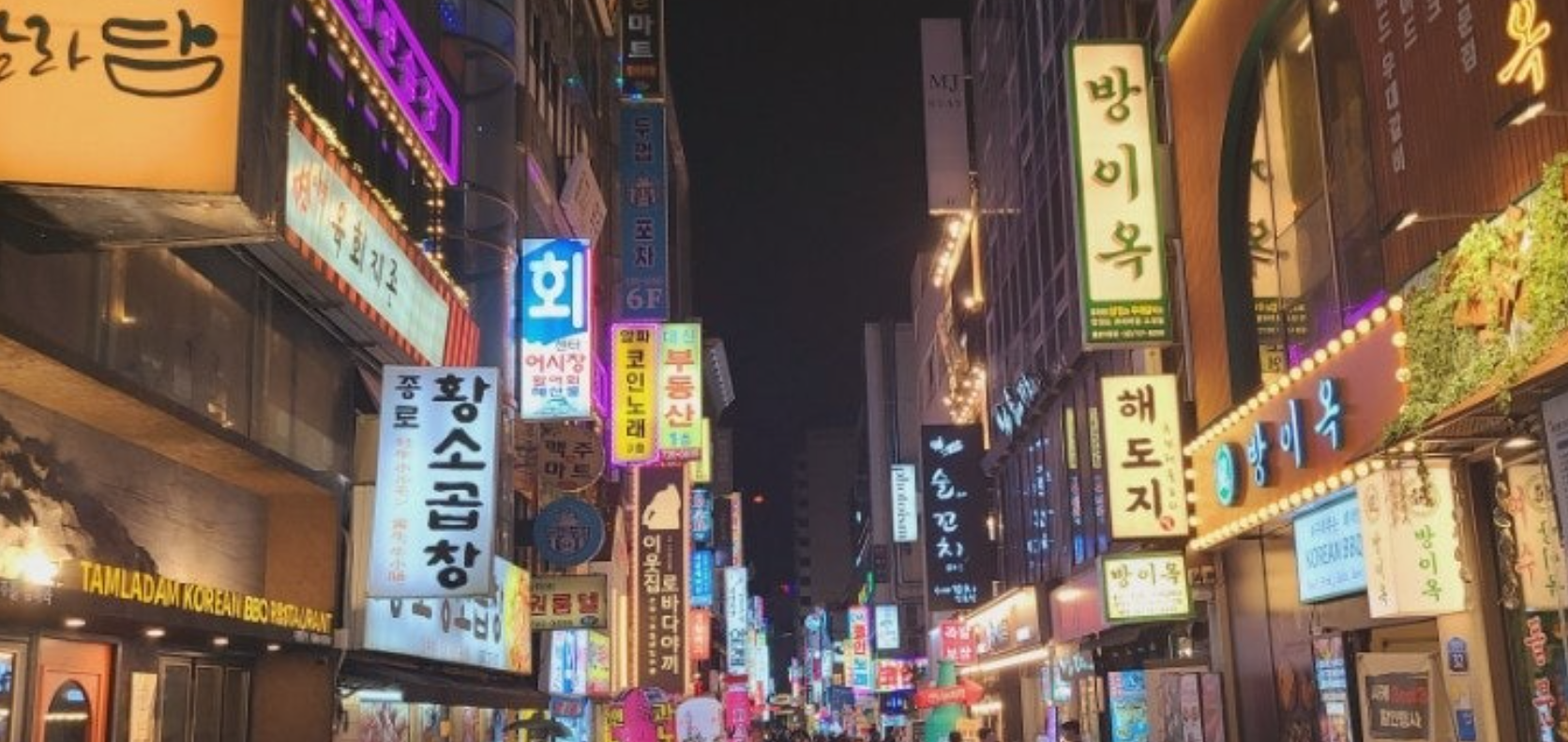
Yeonmujang-gil (연무장길) is the main artery — the strip most associated with the Seongsu experience. This is where pop-ups concentrate, where the flagship boutiques opened, and where the queues for salt bread form on weekends. Most first-time visitors spend the majority of their time here.
Seoulsup-gil (서울숲길) runs along the border with Seoul Forest Park, quieter and more residential, lined with smaller neighbourhood cafés and design studios. The energy is slower and, on weekdays, noticeably more local.
The eastern pocket (toward Ttukseom and Konkuk University) holds some of the older landmarks — Common Ground, the original Daelim Changgo — as well as a stretch of bars and restaurants that fills in the evening.
The neighbourhood rewards walking without an agenda. The best finds — a gallery in what looks like an apartment building, a perfumery down an unmarked staircase, a pop-up that opened three days ago — are consistently off the main route.
Best Cafés in Seongsu-dong, Seoul
Seongsu-dong has more good cafés per square metre than anywhere else in Seoul, and that is not an accident — the old factory buildings were made for this. High ceilings, wide floors, enormous windows. The best venues lean into the industrial bones rather than covering them up, which is why a coffee here often feels like drinking in a gallery. Plan on at least two stops; the neighbourhood rewards café-hopping more than almost anywhere in the city.
대림창고 (Daelim Changgo)
The most photographed café in Seongsu, and one of the most iconic café interiors in Seoul. Changgo means warehouse, and this one makes no attempt to disguise the fact: exposed steel columns, concrete floors, a ceiling high enough that the lighting rig hangs on cables rather than sitting in the rafters. There are no signs from the street — just a heavy wooden door that says ‘Open.’ Inside, two enormous rooms hold rotating art installations alongside the coffee counter, with baked goods made on the premises. The croissants are taken seriously. Arrive before 11am on weekends to find a seat without circling.
어니언 성수 (Onion Seongsu)
The benchmark for the Seongsu industrial-café aesthetic — and the most honest version of it. Onion occupies a former metal fabrication factory called Shinil Metal, and instead of renovating over the building’s age, the architects preserved it: decaying red walls, weathered floor tiles, rusted steel doors, and the original factory nameplate still mounted outside. The bakery programme is first-rate. The bread is the reason to visit; the space is the bonus. There’s usually a line; it moves faster than it looks.
자연도소금빵 (Jayeondo Salt Bread)
Takeaway only — no seats, no table service, a queue that usually stretches outside regardless of the hour. Korea’s love for sogeumppang (salt bread) is well-documented, and this is one of the venues that made it happen: a dense, flaky, buttery roll with a properly calibrated salt crust. The seasonal variations are worth trying when available. It is not complicated food, and that is the point.
Radar
For visitors who find themed café culture exhausting, Radar is the corrective. Minimalist interior, no installations, no queue-bait pastries shaped like something — just clean, well-sourced espresso and filter coffee in a space calm enough to have a conversation. Among the best straight-up coffee bars in the neighbourhood.
Where to Eat in Seongsu-dong
Most people arrive in Seongsu planning to “just grab a coffee” and leave having eaten twice. The food scene is less famous than the café circuit but worth planning around — a few spots here are genuinely excellent and have nothing to do with aesthetics.
Notre Don — French-style pastry done without irony. Croissants, kouign-amann, tarts with properly laminated dough. The Seongsu location draws a breakfast and brunch crowd; the afternoon queue is for the items that have sold down to the last few.
Le Freak — basement-level, and easy to miss without looking for the stairs. Fried chicken burgers that are better than the concept suggests: good batter, properly seasoned, not over-sauced. A dependable lunch option when the café-hopping circuit needs ballast.
Seonchae Seongsu — for a proper evening meal, this basement Korean dining bar near Ttukseom Station serves modern hanshik with seasonal menus and considered pairings. One of the better dinner reservations in eastern Seoul. Full review here.
For a broader look at where Seoul is eating well right now, see the Seoul restaurant guide 2026.
Shopping in Seongsu-dong: Fashion, Beauty & Unique Finds
하우스 노웨어 (HAUS NOWHERE) — Gentle Monster
The current anchor of Seongsu-dong’s shopping scene. Gentle Monster — the Korean eyewear brand known for turning its stores into immersive art installations — opened HAUS NOWHERE in 2025: a 14-storey tower that operates as much as a contemporary art space as a retail venue. Each floor has a different installation concept; the eyewear and fragrance products occupy curated spaces within them rather than the other way around. Even without buying anything, it is one of the most distinctive spaces in Seoul right now and worth an hour of your time.
스탠드오일 (Stand Oil)
The most talked-about independent fashion brand in Seongsu right now. Stand Oil’s bags — structured leather in restrained colours, designed to look significantly more expensive than they are — have become a signature Seongsu purchase. The Seongsu flagship store is the place to see the full range. Also sells accessories, hats, wallets. Queues form on weekends.
무신사 스탠다드 (Musinsa Standard)
Korea’s equivalent of a considered high street: design-forward basics, well-made casualwear, and the current season’s Korean fashion in one space. Prices are reasonable. The Seongsu store is one of the better flagship locations.
탬버린즈 (Tamburins)
The cult fragrance and beauty brand — endorsed by various K-pop figures, Jennie Kim most prominently — occupies a basement space in Seongsu that functions as much as an art installation as a shop. The fragrances are unusual and genuinely distinctive; the hand creams are among the more gifted-abroad products available in the neighbourhood. Worth a visit even if you don’t buy anything.
올리브영 N 성수 (Olive Young N Seongsu)
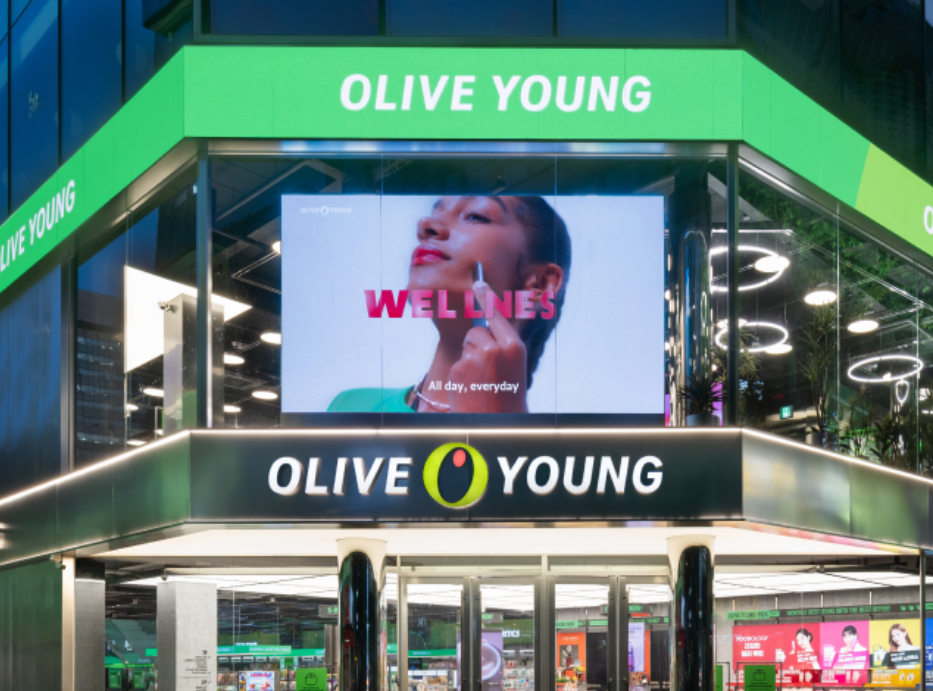
The flagship of Korea’s dominant beauty retailer, scaled up to five floors and reorganised into twelve themed zones — a ‘K-Pop Now’ area, an express zone for recently trending products, pop-up exhibition spaces, and a small café. If you’re only visiting one Olive Young in Korea, make it this one. The K-beauty guide covers what to look for and how to navigate the options across the city.
커먼그라운드 (Common Ground)
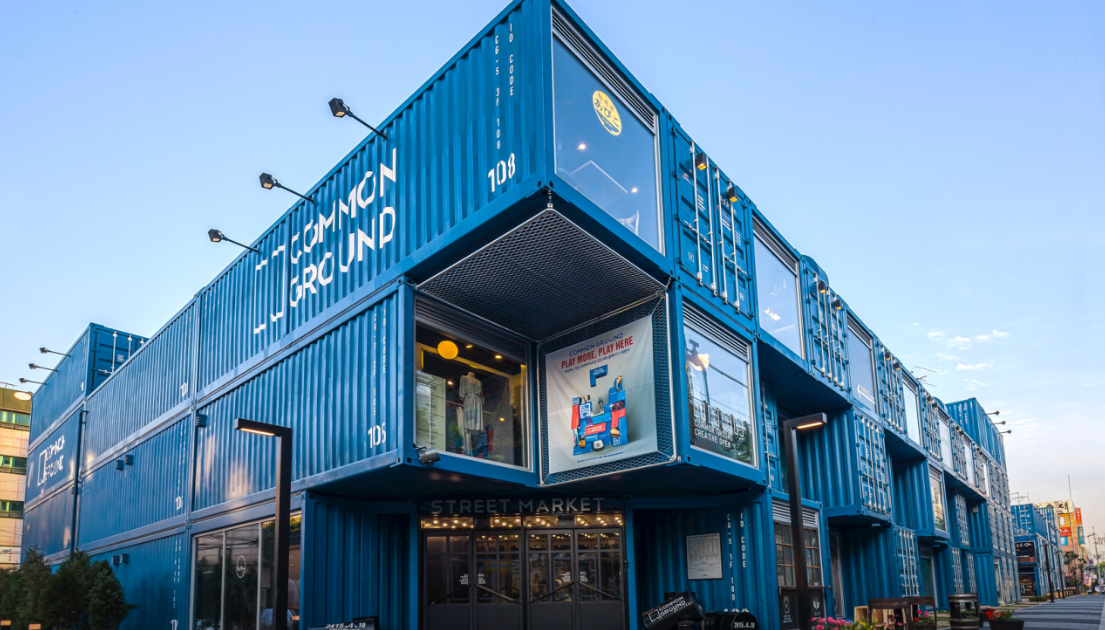
200 shipping containers, stacked and arranged into a retail and event complex covering over 5,300 square metres. When it opened it was the first pop-up park of its kind in Korea; it now functions as a permanent-yet-impermanent space for indie fashion brands, food vendors, and seasonal markets. The bright blue exterior has become one of Seongsu’s visual signatures.
How to Find Pop-Ups in Seongsu-dong (and What’s On in 2026)
This is the part that makes Seongsu-dong impossible to fully plan for — and the best reason to just show up and walk around. New pop-up stores open every week, sometimes every few days, along Yeonmujang-gil and the surrounding streets. Global fashion brands, Korean beauty labels, K-pop artists promoting new releases, food brands testing concepts before a national launch: they all come to Seongsu because this is where the audience is. Some of the most interesting things you’ll encounter here didn’t exist last week.
The practical challenge is that most of these aren’t listed on tourist platforms. To find what’s on during your visit:
- Search “성수 팝업” on Instagram and TikTok before arriving. This reliably surfaces the current week’s activity.
- Korean apps like Kakao Map and Naver often list pop-up events under place categories in the Seongsu area.
- Follow @popupmate and @seoultravel on Instagram for regular updates.
- Some pop-ups — particularly for K-pop releases — require pre-registration and may need a Korean phone number. Many others are walk-in and free entry.
- Weekday mornings are markedly less crowded. If a queue exists, it usually moves in 10–15 minutes. Freebies and exclusive merchandise often run out by mid-afternoon.
The best approach: arrive without a fixed schedule, walk Yeonmujang-gil, and follow the crowd. In Seongsu, wherever people are lined up, something is usually happening.
Seoul Forest (서울숲): What to Do & How It Connects to Seongsu-dong
Attached to the western edge of the neighbourhood and very easy to accidentally walk into — which is exactly what you should do. Seoul Forest is Seoul’s answer to Central Park: 595,000 square metres of walking paths, a wetland reserve, a large central lawn, and one thing that park-goers elsewhere don’t usually expect.
Admission is free. The park is open year-round. Spring (late March through April) is the peak season — the cherry trees along the main paths are substantial — and autumn (October–November) brings good foliage. In summer, the lawn becomes an outdoor dining space in the evenings; Seongsu’s café-going crowd tends to migrate here after 5pm.
The deer garden (사슴 방사장) is a fenced enclosure where deer roam freely and can be fed by visitors; unexpected and worth the detour.
Street Art & Galleries in Seongsu-dong
The neighbourhood’s walls are treated as rotating exhibition space. The best street murals shift regularly — an alley that was bare last month may have something significant now — so any specific recommendations age quickly. The general principle: walk the side streets off Yeonmujang-gil rather than the main strip, and look above ground level as well as at eye height. Some of the more ambitious pieces are on the second and third storeys of factory buildings.
The gallery cluster near Seoul Forest is less casual. A building near the park entrance that reads as a residential block from the outside contains three floors of gallery spaces showing rotating exhibitions. It is not marked conspicuously; the sign is small and in Korean. Look for it on the southern side of Ttukseom-ro.
Practical Tips for Visiting Seongsu-dong in Seoul
How long to spend: Half a day is the minimum to do the neighbourhood justice without rushing. A full day is reasonable if you’re combining the café circuit, lunch, shopping, pop-up exploration, and Seoul Forest. Seongsu is not an evening destination in the same way Gangnam or Hongdae are; the energy starts winding down after 8pm, though bars around Ttukseom carry later.
Weekday vs weekend: Weekends are significantly busier — pop-ups draw their largest crowds on Saturday afternoons. If you want the salt bread queue to be short and a seat in Daelim Changgo without waiting, Tuesday through Thursday between 10am and noon is the window.
Payment: Most cafés and stores accept card without issue. Smaller, older vendors in the shoe district pockets may be cash-only. Having ₩20,000–30,000 in cash is adequate cover.
Language: More English signage exists here than in most Seoul neighbourhoods outside the tourist centres, reflecting the international foot traffic. Korean is still useful for the older vendors and any pop-up that requires form registration.
Shoes: Seongsu-dong has a pleasing aptitude for irony in this regard — the neighbourhood that made Korea’s shoes requires a lot of walking. Comfortable footwear is not optional.
For context on Seoul’s broader layout and how Seongsu-dong fits into a first visit to the city, see our First-Timer’s Guide to Seoul.
Seongsu-dong, Seongdong-gu, Seoul
Seongsu Station, Line 2, Exits 3 or 4
Naver Map →
Frequently Asked Questions: Seongsu-dong Seoul
What is Seongsu-dong known for?
Seongsu-dong is known as Seoul’s most creative and rapidly evolving neighbourhood — a former industrial shoe-manufacturing district transformed into a hub for independent cafés, global brand pop-ups, concept stores, street art, and K-beauty retail. It is home to iconic café interiors like Daelim Changgo and Onion Seongsu, Korea’s largest Olive Young flagship, and the Gentle Monster HAUS NOWHERE installation. It also borders Seoul Forest park and attracts a mix of locals, creatives, and international visitors.
How long should I spend in Seongsu-dong?
Half a day is the minimum to cover the main café strip, a pop-up or two, and some shopping. A full day — combining the café circuit, lunch, serious shopping, Seoul Forest, and dinner near Ttukseom — is the most rewarding approach. Most visitors find they stay longer than planned.
When is the best time to visit Seongsu-dong?
Tuesday through Thursday, between 10am and noon, is the ideal window: queues are shortest, seats are available without waiting, and the neighbourhood has a more local feel. Weekend afternoons are the busiest period — good for atmosphere, less good for avoiding crowds. Spring (cherry blossoms in Seoul Forest) and autumn (foliage) are the most photogenic seasons.
Is Seongsu-dong worth visiting?
Yes — it is one of the most consistently interesting areas in Seoul and rewards time beyond the headline cafés. The combination of world-class coffee, rotating pop-up culture, genuinely good independent fashion and beauty retail, street art, and immediate access to Seoul Forest makes it a full-day destination rather than a single stop. It is also one of the few neighbourhoods in Seoul where the experience changes meaningfully week to week.
How do I get to Seongsu-dong from central Seoul?
Take Seoul Metro Line 2 to Seongsu Station and use Exit 3 or 4 — the journey from central Seoul (City Hall, Myeongdong) takes approximately 20 minutes. From Gangnam, it’s under 15 minutes in the opposite direction on the same line. Taxi from the centre costs approximately ₩8,000–₩12,000.
What are the best cafés in Seongsu-dong?
The standouts are Daelim Changgo (most iconic warehouse interior in Seoul), Onion Seongsu (best preserved industrial aesthetic, excellent bread), Jayeondo (salt bread queue, takeaway only), and Radar (minimalist, serious espresso). All are within walking distance of each other along the main Yeonmujang-gil strip.