It will rain in Seoul. If you are visiting between late June and late July — the 장마 (jangma, monsoon) season — it may rain for days at a stretch. Even outside that window, summer afternoons in Seoul produce sudden, heavy downpours that clear as quickly as they arrive. Either way, your outdoor plans are occasionally going to be derailed, and having a list of genuinely good alternatives makes the difference between a wasted day and a memorable one.
For context: the 2026 monsoon season in Seoul and the central region is expected to begin around June 25 and wrap up around July 26, with rainfall concentrated in intense bursts rather than continuous drizzle. The heaviest days are best spent entirely indoors. The lighter ones — the days of soft, steady rain — are actually ideal for certain experiences that feel better in grey weather.
Start with the Ritual: Pajeon and Makgeolli
Before considering any venue, there is a cultural obligation to address. When it rains in Korea, Koreans eat jeon (전, savoury pancakes) and drink makgeolli (막걸리, milky rice wine). This is not a casual preference — it is a national reflex so ingrained that Koreans consider it almost physiological.
The connection runs deep. Historically, farmers unable to work in the fields during rain would gather to fry pancakes from whatever flour and vegetables were available and share whatever fermented rice wine had been brewed at home. The culinary logic stuck: the sizzle of the batter hitting a hot oiled pan mimics the sound of rainfall, the warmth of the dish counters the chill, and the carbohydrates compensate for the low serotonin that grey days bring.
해물파전 (haemul pajeon) — a wide, crispy seafood and spring onion pancake — is the default choice. 빈대떡 (bindaetteok) — thick, savoury mung bean pancakes — runs a close second. Both are eaten with makgeolli poured into a shallow bowl and sipped between bites.
Where to Do It
광장시장 (Gwangjang Market) is the most atmospheric option: Korea’s oldest permanent market (established 1905), with a dedicated alley of ajumma vendors frying bindaetteok to order alongside bottles of makgeolli. The covered interior keeps you dry, the ambience is completely genuine, and the whole experience — pancake, rice wine, plastic stool, rain on the roof — costs under ₩10,000.
| Address | 88 Changgyeonggung-ro, Jongno-gu, Seoul |
| Hours | Daily 08:30–23:00 (food stalls typically until 21:00–23:00) |
| Nearest Station | Jongno 5-ga (Line 1), Exit 8 |
| Naver Map | View on Naver Map |
For a sit-down version with a wider selection of regional makgeolli labels, dedicated makgeolli restaurants in Hongdae and Mapo-gu offer the same pairing in more comfortable surroundings. The makgeolli article on this site covers those in depth.
The COEX Complex — A Rainy Day Destination on Its Own
스타필드 코엑스몰 (Starfield COEX Mall) in Gangnam is Asia’s largest underground shopping mall, and it is arguably the single best rainy day destination in Seoul. It is entirely subterranean — you arrive from the subway and never need an umbrella — and it contains enough distinct experiences to occupy a full day without repeating yourself.
| Nearest Station | Samseong (Line 2), Exit 6 or Bongeunsa (Line 9), Exit 7 |
| Mall hours | Daily 10:30–22:00 |
| Naver Map | View on Naver Map |
There are three anchors worth knowing about:
Starfield Library (별마당도서관)
A cavernous public library in the centre of the mall’s atrium, with 13-metre-tall bookshelves holding 70,000 volumes. Entry is completely free. The space is designed for sitting, reading, and taking photographs — the bookshelves stretch two floors and are deliberately dramatic. There are reading chairs and small alcoves scattered throughout.
It gets busy by 11:30 AM on weekends — if you want the space to yourself, arrive when the mall opens.
| Entry | Free |
| Hours | Daily 10:30–22:00 |
| Location | B1F, COEX Mall Central Plaza |
SEA LIFE COEX Aquarium (씨라이프 코엑스 아쿠아리움)
Korea’s largest city aquarium, with over 40,000 marine creatures across 14 themed zones, including multiple glass tunnel walkways and the highest concentration of sharks in any Korean aquarium. Allow 90 minutes for a full visit.
Tickets purchased at the door are more expensive than online — book on the official SEA LIFE website, Klook, or Naver Pay for a meaningful discount.
| Door price | Adults ₩28,000 / Children (3–12) ₩24,000 |
| Online discount | ~₩25,000 (adults) via SEA LIFE official or Klook |
| Hours | Daily 10:00–20:00 (last entry 19:00) |
| Location | B2F, COEX Mall |
| Website | visitsealife.com/coex-seoul |
COEX Mall Itself
Beyond the library and aquarium, the mall has 320+ retail stores, 100+ restaurants, a CGV multiplex cinema, and enough food options to handle every meal. The underground connection to Bongeunsa Station (Line 9) and Samseong Station (Line 2) means you can arrive, move through the entire complex, and depart completely dry.
| Nearest Station | Samseong (Line 2), Exit 6 or Bongeunsa (Line 9), Exit 7 |
| Mall hours | Daily 10:30–22:00 |
Museums — Seoul’s Free Rainy Day Anchors
Seoul has two world-class national museums that are entirely free for their permanent collections and are large enough to absorb several hours of wet-weather wandering.
National Museum of Korea (국립중앙박물관)
Korea’s largest museum, located in Yongsan, with three floors covering Korean history from prehistoric times through the Joseon Dynasty. The permanent collection is free. Special exhibitions carry a separate fee.
The building itself is worth the visit — the scale is remarkable, the curation is careful, and the outdoor sculpture garden, while less useful in rain, has a covered walkway that connects to the main building.
| Entry | Free (permanent collection); special exhibitions vary |
| Hours | Mon, Tue, Thu, Fri, Sun 09:30–17:30 (last entry 17:00); Wed & Sat 09:30–21:00 (last entry 20:30) |
| Address | 137 Seobinggo-ro, Yongsan-gu, Seoul |
| Nearest Station | Ichon (Line 4 / Gyeongui–Jungang Line), Exit 2 |
| Naver Map | View on Naver Map |
MMCA Seoul — National Museum of Modern and Contemporary Art (국립현대미술관 서울관)
Located in Samcheong-dong between Gyeongbokgung Palace and Bukchon, the Seoul branch of the MMCA is Korea’s foremost contemporary art museum. The building occupies a series of connected courtyards and gallery spaces within a former government complex — the architecture alone is worth exploring.
Admission is charged per exhibition (typically ₩2,000–₩5,000 per show; integrated ticket ₩10,000 when three or more paid exhibitions are running). Critically: entry is entirely free on Wednesday and Saturday evenings from 18:00 to 21:00. Under-24s are free at all times with ID.
| Entry | ₩4,000 general (per exhibition); free Wed & Sat 18:00–21:00; free for under-24s |
| Hours | Mon, Tue, Thu, Fri, Sun 10:00–18:00; Wed & Sat 10:00–21:00 |
| Closed | First Wednesday of June, September, and December (temporary closure) |
| Address | 30 Samcheong-ro, Jongno-gu, Seoul |
| Nearest Station | Anguk (Line 3), Exit 1 — approximately 5 min walk |
| Naver Map | View on Naver Map |
Jjimjilbang — The Rainy Day Wellness Option
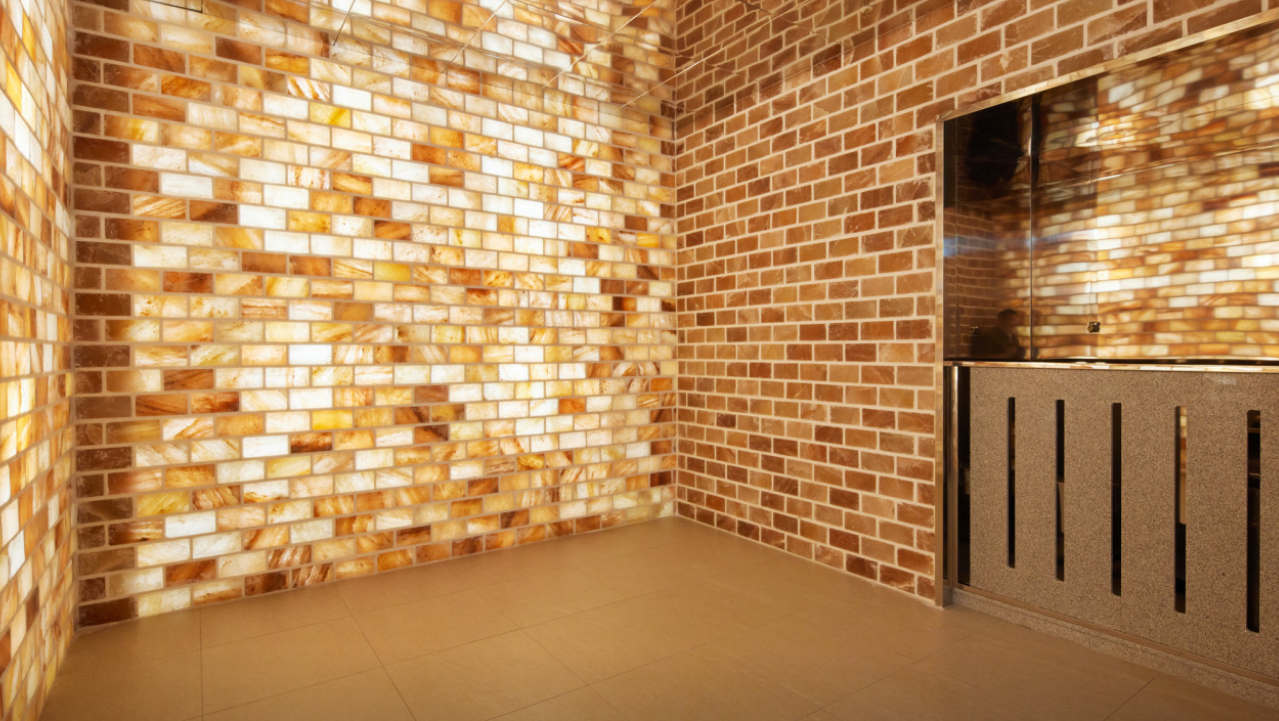
A 찜질방 (jjimjilbang) — a Korean heated communal bathhouse — is the most culturally immersive thing you can do on a rainy day in Seoul. You arrive wet and cold, check your shoes at the entrance, are handed gender-segregated towels and communal loungewear, and spend the next several hours cycling between hot rooms, cool rooms, the bathhouse itself, and the communal floor space where Koreans nap, watch television, and eat hard-boiled eggs with salt. It is an experience that has no direct equivalent anywhere else.
Important 2025–2026 update: Two of the most frequently recommended jjimjilbangs in Seoul are no longer operating. Dragon Hill Spa (용산) has been effectively closed since 2021 and was removed from Naver Place in June 2025 — the building now houses a fast food restaurant. Siloam Sauna (Seoul Station) closed permanently in April 2024. Do not plan your visit around either of these.
Currently Operating: Spa Rex Goodmorning City (스파렉스 굿모닝시티) — Dongdaemun
The most consistently recommended replacement for Dragon Hill among Korean bloggers and review platforms in 2025–2026. Located in the basement of Goodmorning City shopping complex directly opposite the Dongdaemun Design Plaza (DDP), Spa Rex operates 24 hours and features traditional sauna rooms, ice rooms, a bulgama (charcoal-heated clay kiln room), and a Korean hanok-themed rest area. The overall scale is large — genuinely comparable to what Dragon Hill once offered.
| Entry (daytime 05:00–20:00) | Adults ₩12,000 / Children ₩7,000 |
| Entry (night 20:00–05:00) | Adults ₩15,000 |
| Hours | 24 hours |
| Address | B3F, 247 Jangchungdan-ro, Jung-gu, Seoul (Goodmorning City) |
| Nearest Station | Dongdaemun History & Culture Park (Lines 2/4/5), Exit 1 |
| Naver Map | View on Naver Map |
Board Game Cafes — Low-Key Group Entertainment
보드게임카페 (board game cafes) are a fixture of Korean leisure culture and one of the most practical rainy day options for groups or couples. You pay an hourly fee for a table, choose from a library of hundreds of games (staff explain the rules on request), and order drinks and snacks from a menu. English-language game editions are available at most venues.
Holmes & Lupin (홈즈앤루팡) — Hongdae
A well-established chain with multiple Seoul locations, the Hongdae branch being the most foreigner-accessible. Spacious layout, clean interiors, and a solid collection spanning everything from quick card games to longer strategy titles.
| Price | ₩3,000/hour per person (includes a drink) |
| Nearest Station | Hongik University (Line 2 / AREX), Exit 9 |
| Naver Map | View on Naver Map |
Nineone 24 Board Game Cafe (나인원 보드게임카페) — Konkuk University
An unmanned 24-hour facility — you enter via app, select a room, and play. Clean and well-maintained, with blankets, game rulebooks, and guidebooks provided. Exceptionally affordable.
| Price | ₩2,000/hour; all-day pass ₩4,900 (weekday) / ₩7,900 (weekend) |
| Hours | 24 hours |
| Nearest Station | Konkuk University (Line 2 / Line 7), Exit 6 |
| Naver Map | View on Naver Map |
PC Bangs — Korean Gaming Culture in Its Natural Habitat
A PC방 (PC bang) is a high-spec gaming cafe: top-tier machines, ergonomic chairs, a full food and drink menu delivered to your seat, and ambient darkness broken only by monitor glow. There are over 18,000 operating across South Korea, with the highest concentration in Seoul. They run 24 hours.
The standard rate is approximately ₩1,500 per hour, with bulk discounts (3- or 5-hour packages) offering around 10–20% off. You log in at a desk, select an available seat on a touchscreen map, sit down, and the timer starts automatically. Food arrives at your station — Koreans typically eat full meals here.
Games available include every major title: League of Legends, Valorant, StarCraft, Battlegrounds, FIFA — the machines are typically more powerful than anything most travellers own at home. If you have never been to a Korean PC bang, a rainy afternoon is the ideal moment.
PC bangs cluster around every major subway station; Hongdae, Sinchon, and Gangnam have the densest concentrations. Walk until you see the glowing sign — ’s PC방 (something PC bang) — and walk in.
Cinema — The Obvious Backup, Done the Korean Way
Korean cinema chains offer a level of screen technology rarely encountered elsewhere. CGV, the dominant chain, operates premium formats including IMAX, 4DX (motion chairs, water sprays, wind, scent), ScreenX (270-degree three-wall projection), and 4DX Screen combining motion seats with the triple-wall format.
Ticket prices in 2025–2026:
| Format | Approx. Price |
|---|---|
| Standard | ₩12,000–₩15,000 |
| IMAX | ₩18,000–₩25,000 |
| 4DX | ₩20,000–₩28,000 |
Book via the CGV or Lotte Cinema app (both have English interfaces) to avoid queues. Films in English play with Korean subtitles by default; CGV’s website allows you to filter for original-language screenings.
CGV Yongsan I’Park Mall (near Yongsan Station) and CGV Hongdae are the most foreigner-convenient locations for IMAX and standard screenings respectively.
Covered Traditional Markets — Rain-Proof and Genuinely Local
Several of Seoul’s major traditional markets are partially or fully covered, which makes them excellent rainy day destinations. Unlike purpose-built tourist spots, these are active commercial markets where real shopping and eating happens alongside whatever sightseeing occurs.
광장시장 (Gwangjang Market) — mentioned above for pajeon and makgeolli, but worth emphasising that the main food hall is roofed throughout. Vendors sell raw silk and textiles in one half of the building, food in the other. The textile section is worth seeing even if you have no intention of buying — the density of fabric, the speed of transaction, and the complete indifference to tourism is a Seoul experience in itself.
남대문시장 (Namdaemun Market) in Jung-gu is Korea’s largest traditional market in terms of sheer variety — clothing, accessories, tools, food, plants, wholesale goods. Large sections are covered by overhead awnings, making navigation workable in light rain. The indoor food alleys on the upper floors serve 갈치조림 (braised cutlassfish), 어묵 (fish cake soup), and 칼국수 (knife-cut noodle soup) to market workers and visitors alike, at prices that have not shifted dramatically since the 1990s.
동대문 종합시장 (Dongdaemun Comprehensive Market) near the DDP is entirely indoor across multiple floors: the world’s largest fabric market, a place professional dressmakers and fashion designers rely on, but also genuinely interesting to wander as a visitor.
Quick Reference: Rainy Day Options at a Glance
| Option | Cost | Best For |
|---|---|---|
| Pajeon + makgeolli at Gwangjang | ₩8,000–12,000 | Cultural experience, groups |
| Starfield Library | Free | Photo, relaxing, solo or couple |
| COEX Aquarium | ₩25,000–28,000 (adult) | Couples, families |
| National Museum of Korea | Free | History interest, all day |
| MMCA Seoul (Wed/Sat eve) | Free 18:00–21:00 | Art, architecture |
| Spa Rex (Dongdaemun) | ₩12,000–15,000 | Wellness, solo or couple |
| Board game cafe | ₩2,000–3,000/hour | Groups, couples |
| PC bang | ~₩1,500/hour | Solo or small groups |
| Cinema (standard) | ₩12,000–15,000 | Any |
| Gwangjang / Namdaemun market | Free entry | Browsing, local food |
Practical Notes for a Rainy Seoul Day
Subway is your best friend. Seoul’s subway system is entirely underground and climate-controlled. On heavy rain days, many Koreans simply extend their commute into a leisure loop — moving from station to station without surfacing. The subway map is navigable in English, and T-Money cards work on all lines.
Umbrellas are everywhere and cheap. Every convenience store sells compact umbrellas for ₩3,000–₩5,000. Disposable ponchos (비옷) are sold at street vendors near major tourist sites for ₩2,000. If you are caught without either, ask any convenience store — CU, GS25, 7-Eleven — and you will be covered within 30 seconds.
The monsoon window. Seoul’s jangma period runs approximately late June through late July each year (2026 forecast: June 25 – July 26 for the central/Seoul region). Outside this window, August still brings occasional heavy afternoon storms that clear by evening. Spring and autumn rain is lighter and typically short. Only the monsoon requires a contingency plan of this scale.
Things stay open. Unlike some destinations where rain disrupts service, Seoul remains fully operational. Restaurants, shops, and transport run on the same schedule regardless of weather. The only genuine closures to check are museum temporary shutting dates (MMCA Seoul closes the first Wednesday of June, September, and December) and specific venue hours.